 EN
EN
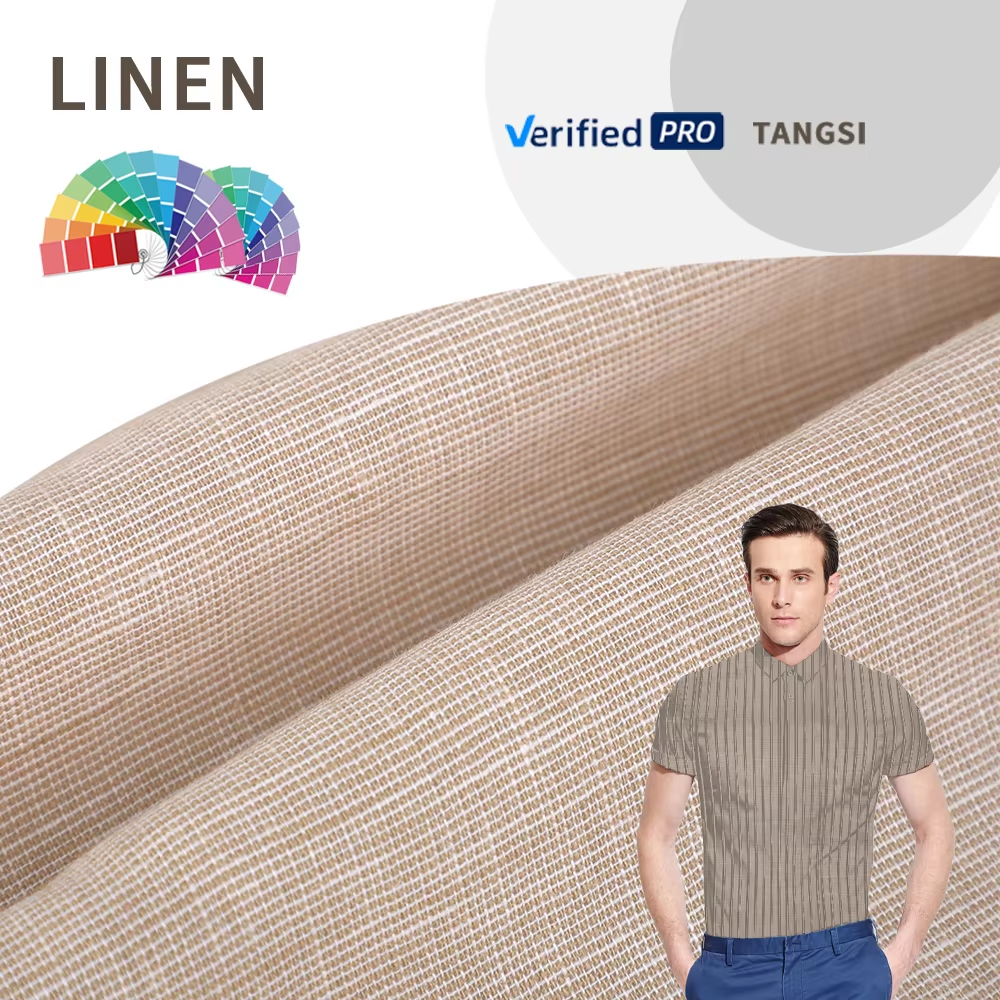
Wat definieer lyn-estetiek — en hoekom dit vandag resonansie vind
Daar is iets spesiaals aan linne-se estetika wat net reg voel. Dit meng natuurlike teksture met 'n soort moeitelose elegansie wat nie die gewildste styl van die oomblik volg nie. Kyk nou nou en jy sal daardie klein bobbelagtige plekke (genoem slubs) raaksien, klein gebreke in die weefsel, en hoe dit met 'n byna onverskillige skoonheid hang. Die materiaal het 'n dof oppervlak wat werklik kleure ryker laat lyk omdat dit nie skerp lig weerkaats nie. En daardie kreukels? Ver van 'n probleem af, is hulle deel van wat linne sy charme gee. Mense hou nou daarvan omdat dit outentisiteit aandui in 'n wêreld vol perfek gestreke stowwe. Hierdie hele gevoel skep iets wat werklik en toeganklik is, wat verduidelik waarom so baie interieurontwerpers nou na linne kyk vir hul projekte.
Drie sleutelfaktore dryf linne se langdurige aantreklikheid:
- Tydlose veelsydigheid , wat moeitelos tussen rustieke bedrywigheid en moderne minimalisme skuif
- Volhoubare outentisiteit , wat saamstem met die groeiende verbruikersvraag vir omgewingsbewuste materiale
- Gerief-georiënteerde elegansie , wat sowel fisiese gerief as sielkundige versekering in turbulent tye bied
Mense word toenemend aangetrek tot doelbewuste lewenswyse, en hierdie tendens het linne weer in die fokus geplaas as iets spesiaals vir mense wat wil ontsnap uit ons altyd-aan digitale wêreld. Ons sien vandag meer klem op wat werklik saak maak, eerder as net om goed te lyk. Linne gaan nie meer net oor hoe dinge lyk nie. Dit staan eintlik vir iets dieper — die aanvaarding van die skoonheid van natuurlike gebreke en goed wat langer duur as die meeste mode-tendense. Dit is waarskynlik hoekom stowwe wat linne nadoen maar van sy (katoen) gemaak is, onder gewone verbruikers gewild raak. Hierdie alternatiewe voel steeds heerlik teen die vel, maar hanteer moderne lewensomstandighede beter sonder om na ‘n paar wasbeurte of gewone slytasie uitmekaar te val of blootgestel te raak.
Hoe Linne-voorkoms Katoenstof Egte Tekstuur en Drape lewer
Wat maak linne wat soos katoenstof lyk so onderskeidend? Dit kom alles neer op 'n paar slim tekstiel-ingenieurswese wat die natuurlike eienskappe van werklike linne naboots. Wanneer iemand hierdie stof aanraak, sal hulle daardie klein bobbelagtige plekke (genoem slubs) opmerk, hoe dit elegant oor oppervlaktes hang, en daardie sagte skynsel wat die lig net reg vasvang. Drie hoof tegnieke maak dit moontlik: die skep van gare met doelbewuste variasies, die weef van patrone wat nie perfek eenvormig is nie, en spesiale behandeling met ensieme. Die resultaat is iets wat soos linne lyk en voel, maar steeds so sag en maklik om mee te werk bly soos gewone katoen. Ontwerpers is mal daaroor omdat dit daardie aardse, handgemaakte gevoel bring sonder om die praktiese voordele wat vandag se modebedryf benodig, in te boet.
Slub-gare, oopweefsels en bio-polisering: Ingenieurswese van die linne-aanvoeling in katoen
Egte linne-tekstuur begin wanneer vervaardigers spesiale slub-gare spin wat die natuurlike onreëlmatighede in rou vesels naboots. Hierdie gare wissel doelbewus in dikte om daardie outentieke onkonsekwentheid te herstel. Wanneer dit gekombineer word met oopweefpatrone soos mandjie- of dobby-weefsel, vorm dit klein lugkompartemente deur die materiaal. Volgens navorsing wat in 2022 in die Textile Research Journal gepubliseer is, laat hierdie ontwerp die materiaal werklik ongeveer 25 persent beter asemhaal as gewone katoen-twill-materiaal. Na die weefproses kom wat mens die finale aanpas kan noem: bio-polisering. Spesiale ensieme bekend as sellulase word op die oppervlak toegepas om versigtig enige los vesels of donshare te verwyder sonder om die materiaal self te beskadig. Wat hierdie proses so aantreklik maak, is dat dit die sterkte en duurzaamheid van die tekstiel behou terwyl dit steeds omgewingsvriendelik is.
- ’n Droë, linne-agtige handgevoel
- Verminderde pilvorming en verbeterde draperingvloeiendheid
- Verbeterde tekstuurdefinisie sonder chemiese verstywingsmiddels
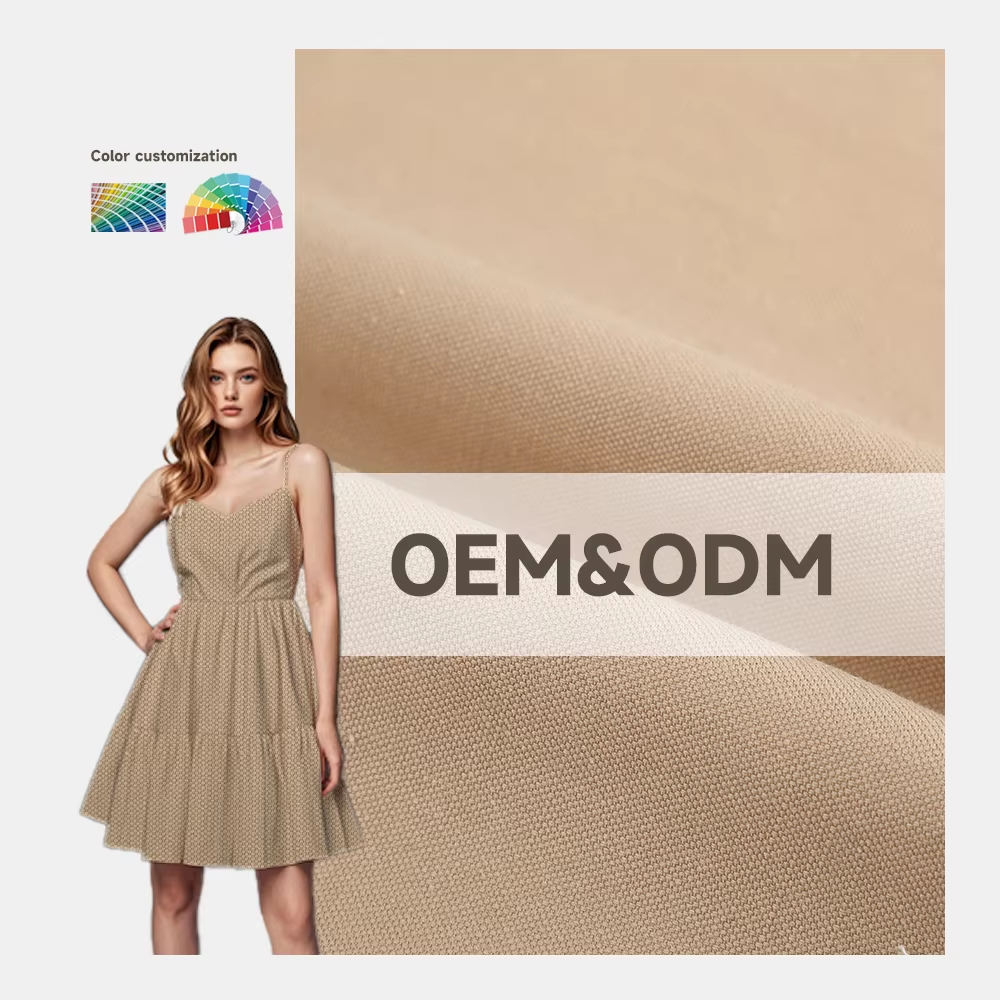
Ligverspreiding en visuele sagtheid: Hoekom linne-lyk-katoenstof linne se kenmerkende glans naboots
Wat maak dat materiaal outentiek lyk, het alles te doen met hoe lig daarmee interaksie het. Wanneer garens daardie onreëlmatige oppervlaktes het, versprei hulle werklik lig oral rondom in plaas van dit direk te weerkaats soos wat katoen geneig is om te doen, wat linne daardie aangename sagte glans gee wat ons daarmee assosieer. Dan is daar iets wat bekend staan as die merkerisering-behandeling wat sake nog verder neem. Hierdie proses laat die vesels werklik swel sodat hulle ronder word in dwarsdeursnee, en volgens sommige toetse deur die AATCC terug in 2023 kan dit ligverspreiding met ongeveer 40% verhoog. Koppel dit met tradisionele metodes soos klipwas of ensiemwas, en skielik kry ons daardie pragtige kleurvariasies tesame met klein oppervlakafskurings wat die materiaal werklik laat lyk soos egte linne. Dit blyk dat wanneer mens volhoubare tekstiele ontwerp, dit net so belangrik is om die visuele aspek reg te kry as om goed teen die vel te voel.
Katoenmateriaal met ‘n Linne-uiterlike teenoor Egte Linne: Prestasie, Versorging en Praktikaliteit Vergelyk
Asemhalingsvermoë en vogbestuur: Laboratorium-gevalideerde gemak sonder kompromie
Die asemhalingsvermoë van katoen met ‘n linne-uiterlike is amper so goed as regte linne, dankie aan spesiale weeftegnieke en sekere oppervlakbehandelings wat dit ligter laat voel. Laboratoriums het hierdie stowwe werklik getoets en gevind dat hulle vog net soos linne van die vel af trek, en selfs gewone katoen met ongeveer 15% oortref wanneer dit kom tot die verwydering van sweet van die vel af. Wat hierdie moontlik maak, is klein spasies tussen die drade wat lug vryliker laat deurstroom. Dit is baie belangrik in warm weer, wanneer ons liggame koel moet bly. Regte linne oortref steeds katoen met ongeveer 20% ten opsigte van hittebestuur, maar die linne-uitsoekweergawe kom baie naby sonder al die nadele van tradisionele linne, wat geneig is om baie styf en ongemaklik vir daaglikse dra te wees.
Duurzaamheid en onderhoud: Minder strykwerk, langer leeftyd, dieselfde moeitelose aantreklikheid
Suiwer linne het beslis sterker vesels, ongeveer 30% meer duursaam volgens die Tekstielduursaamheidstudies van verlede jaar. Maar wanneer dit kom tot alledaagse slytasie, is linne-voel-katoen eintlik vriendeliker vir die hande. Die katoenkomponent maak dit baie minder vatbaar vir kreukels in vergelyking met gewone linne, wat die stryktyd dramaties verminder. Ons praat van ongeveer 40% minder kreukels wat vorm, wat beteken dat die tyd wat jy spandeer om met die strykyster te veg, gehalveer word. Kleurbehoud is ’n ander gebied waar hierdie mengsel helderder skyn as tradisionele linne-stowwe. Die meeste mense vind dat hul linne-voel-katoenitems hul kleure lewendig behou selfs na tientalle wasbeurte, soms selfs na meer as 50 sonder merkbare vervaagting. As ons na praktiese sake kyk, bly hierdie gemengde stowwe gewoonlik hul vorm en voeling vir sowat drie tot vyf jaar. Dit stem ooreen met wat die meeste linne-produkte laas, veral by dinge soos vensterbehandelings of lospassende klere waar daar nie konstante wrywing teen oppervlaktes plaasvind nie. En al hierdie voordele kom saam met ’n kostebesparing van ongeveer 25% in onderhoudspogings in vergelyking met suiwer linne-opties.
| Faktor | Lynlook Katoen | Suiwer Linne |
|---|---|---|
| Rimpelweerstand | Hoë | Laag |
| Strykfrekwensie | Maandeliks | Weekliks |
| Kleurbewaring | 50+ wasbeurte | 30 wasbeurte |
| Versorgingskoste/Jaar | $18 | $24 |
Hierdie balans van lae-onderhoudpraktikaliteit en volhoubare estetika maak lynlook-katoen ideaal vir hoë-gebruikomgewings waar outentisiteit op doeltreffendheid ontmoet.
Styl van Lynlook-Katoenstof oor Kledingstukke en Interieurs
Die linne-voorkoms katoenstof tref regtig die soetplek tussen om goed te lyk en prakties te wees vir klere sowel as huisversiering. As dit by wat ons dra kom, het hierdie stof daardie aangename tekstuur wat mooi oor klere drap. Mense kan gerus knoppiesboontjies vir kantoor-draagbaarheid maak, koel somerdosies of daardie los baadjies wat vanoggend se vergaderings na avondeteplanne gaan sonder om 'n tree verkeerd te gee. Mode-merke geniet om daarmee te werk omdat dit sag lyk maar nie maklik kreuk nie, wat sin maak vir klere wat mense op reise wil dra waar wasgoed 'n kwessie is. Binne ons huise is daar iets spesiaals aan hoe hierdie materiaal met lig interaksie het. Probeer gordyne maak wat sonskyn sag laat deurdring, of gooi 'n paar getekstureerde gooiblankette op bankies om hulle meer interessant te maak. Tafellope wat van hierdie materiaal gemaak is, duur vir ewig en lyk pragtig langs keramiese plate. Om dinge netjies te hou, probeer dit met houtmeubels of rotanversierings kombineer want hulle beklemtoon daardie natuurlike gevoel. Wat ek verbasend vind, is hoe veelsydig dit eintlik is. Paar hierdie katoenbroeke met dik gebreide truies vir winterlae, of meng dit met blink keramiek op tafels vir kontras. En eerlikweg, wie waardeer nie 'n stof wat soos regte linne lyk nie, maar nie na 'n paar wasbeurte uitmekaar val nie en nie voortdurend gestryk hoef te word nie?