
 EN
EN
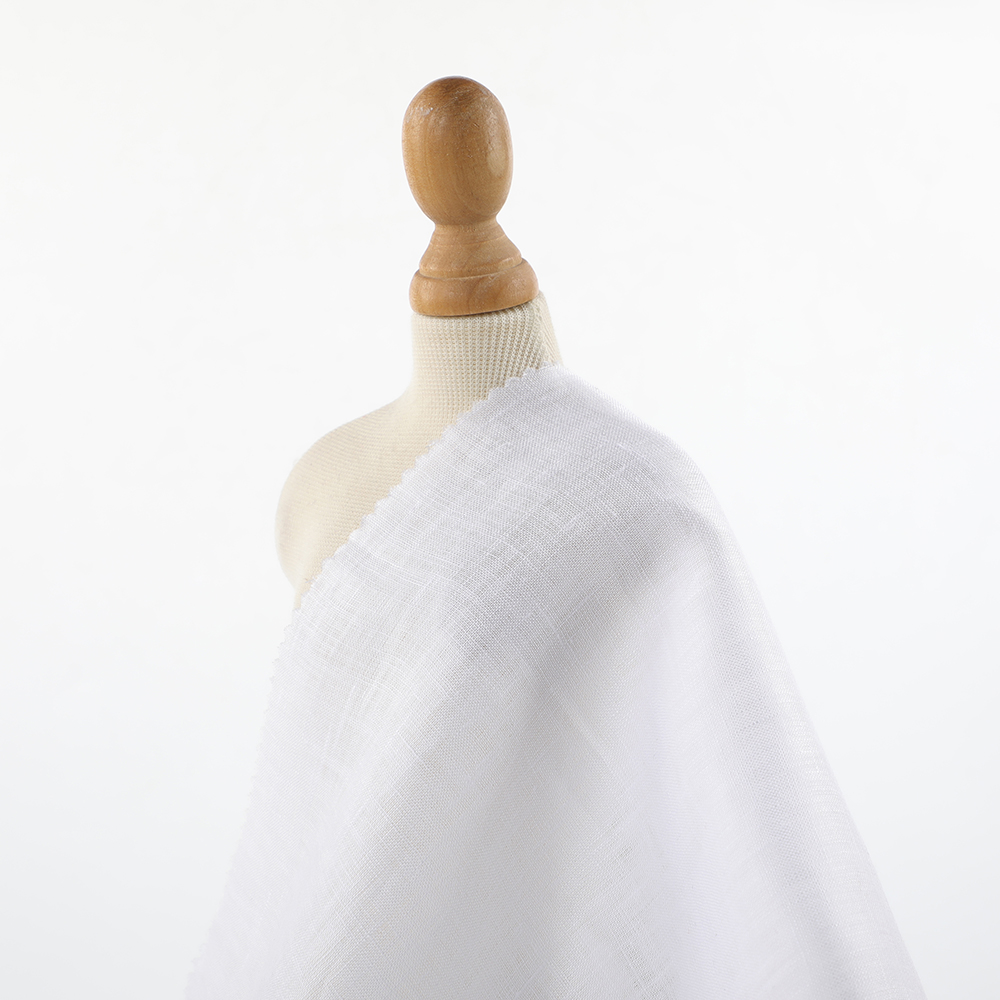
چرا پارچه لینن کاملاً سفید پایهای ضروری برای فضاهای میزی ظریف است
ظرافت بیزمان و هماهنگی بصری: چگونه پارچه لینن کاملاً سفید به عنوان محوری برای زیباییشناسی ظریف غذاخوری عمل میکند
پارچه کتان سفید پایهای اشرافی فراهم میکند که ظاهر هر تنظیم میزی را واقعاً ارتقا میدهد. نحوه جذب و بازتاب نور توسط آن، تمام عناصر دیگر روی میز را بهطور طبیعی برجستهتر میسازد و با انواع مختلفی از ظروف و لوازم شیشهای سازگار است. اکثر برنامهریزان رویدادها این محصول را تأیید میکنند، زیرا مطالعات نشان میدهد که استفاده از پارچههای ساده کتان (بهجای پارچههای تزئینی با الگو) امکان کار با حدود ۷۸ درصد گزینههای رنگی بیشتری را فراهم میکند — این آمار بر اساس گزارش مجله Tablescapes Quarterly در سال گذشته است. چیزی که من در مورد کتان دوست دارم، درخشش نرم و ظریف آن در ترکیب با بافتی است که دقیقاً بهاندازه کافی برای جلب توجه طراحان و مهمانان مؤثر است، بدون اینکه برای افرادی که الگوهای پیچیده را حواسپرتکننده مییابند، بیشازحد پررنگ بهنظر برسد. وقتی فردی در تکنیکهای پوشاندن میز (درپینگ) مهارت داشته باشد، این پارچهها حسی تمیز و لوکس ایجاد میکنند که غذاهای عادی را به رویدادهای خاص و با دقت آرایششده تبدیل میسازد.
مقایسه داماسک و بافت ساده: پیامدهای بافت، افتادگی و رسمیت در انتخاب پارچه کتان کاملاً سفید
انتخاب بافت شما بهطور چشمگیری بر شخصیت میز تأثیر میگذارد. این تفاوتهای کلیدی را در نظر بگیرید:
| ویژگی | بافت داماسک | بافت صفحهای |
|---|---|---|
| رسمیت | بالا (الگوهای برجسته) | متوسط (سادگی پاک و بدون زائدات) |
| پرده | ساختارمند، چینها را تیز و واضح حفظ میکند | پویا، خطوط نرم و جریاندار |
| بهترین برای | رویدادهای بلکتای، هتلهای قصرمانند | جمعهای صبحانه، فضاهای روستایی-شیک |
| نگهداری | چینها را بهوضوح نشان میدهد | بافت طبیعی چیندار مهربان |
طرحهای پیچیده جاکارد در پارچه داماسک، حسی از مراسم و عظمت ایجاد میکنند؛ الگوهای بازتابدهندهٔ آن بهگونهای هوشمندانه نور را منعکس میکنند. در مقابل، پارچه کتان با بافت ساده (پلین ووون) رویکردی کاملاً متفاوت دارد و زیبایی سادهای را ارائه میدهد که با دوخت طبیعی و جریاندار آن، احساسی بسیار راحت و نرم بر روی پوست ایجاد میکند. هنگام پوشاندن میزهای شامخوری بلندتر از سه متر (۱۰ فوت)، بافت ساده در عمل عملکرد بهتری دارد، زیرا در حین استفاده در محل اتصالات (درزها) بهصورت عجیب و غریب کشیده نمیشود. با این حال، آنچه هر دو نوع پارچه مشترک دارند، ویژگی واقعاً خاصی از خود پارچه کتان سفید است: این پارچه یک توهم نوری شگفتانگیز ایجاد میکند که در آن ظروف فلزی و شیشهای گویی در فضای خالی و بدون تکیهگاهی «شناور» به نظر میرسند و هر تجربه غذایی را سبکتر و ظریفتر از حالت عادیاش میسازند.
تسلط بر تناسبها و لایهبندی با پارچه کتان سفید خالص
رویمیزی + نوار مرکزی (رنر) + رویپوشش اضافی: دستیابی به عمق و بعد بصری بدون ایجاد شلوغی بصری
پارچهی کتان سفید اساساً صفحهی خالی برای ایجاد ترکیبهای زیبا و چندلایه از پوششهای میز است. با یک پارچهی میز با کیفیت خوب شروع کنید که در موقع راهاندازی شامهای رسمی حدود ۲۵ تا ۳۰ سانتیمتر از لبههای میز آویزان باشد؛ هرچند برای میزهای شام عادی، طول آویزانشدهی ۲۰ تا ۲۵ سانتیمتر معمولاً مناسبتر است. سپس روی آن چیزی جذاب اضافه کنید، مثلاً یک نوار بافتدار در رنگهای کرم ملایم یا صدفی کمرنگ که دقیقاً در وسط پارچهی پایه قرار گرفته باشد. هنگام برگزاری رویدادهای واقعاً خاص، میتوانید یک لایهی دیگر نیز اضافه کنید: پارچهی اورگانزا شفاف که تنها بخش مرکزی میز را پوشانده باشد. چنین لایهبندیای عمق بصری ایجاد میکند، بدون اینکه تعادل رنگی کلی را به هم بزند. با این حال، افراط نکنید — حداکثر سه لایه را رعایت کنید تا ظاهر مجموعه ناخوشایند و شلوغ به نظر نرسد. پارچهی سفید تمیز همهی این عناصر را از نظر بصری به هم پیوند میزند و آن ظاهر شیک اما سادهای را ایجاد میکند که همهی افراد آن را ستایش میکنند.
راهنماییهای اندازهگیری حیاتی برای دستیابی به طول افت، چینخوردگی و تناسب بهینه روی میزهای استاندارد و رسمی
تناسبهای دقیق، پارچه کتان سفید خالص را از یک قطعه عملکردی به یک قطعه استثنایی تبدیل میکنند. برای میزهای استاندارد با ارتفاع ۳۰ اینچ:
- طول آویزان : ۸ تا ۱۰ اینچ (رسمی) یا ۱۵ اینچ (طول بلند تا زمین و با جلوهای دراماتیک)
- عرض نوار روی میز (Runner) : یکسوم عرض میز، همتراز با لبههای تنظیمات صحنۀ غذا
- ابعاد رویهپوش (Overlay) : عرض ۱۸ تا ۲۴ اینچ، بهصورت مرکزی بین نوار روی میز و لبه میز قرار گرفته است
میزهای شامخوری (با ارتفاع ۴۲ اینچ) نیازمند اصلاح ابعاد هستند:
- طول آویزان : ۱۲ تا ۱۴ اینچ (برای جلوگیری از خطر افتادن، در عین حفظ ظرافت و اشراف)
- بیرونزدگی پارچه روی میز (Tablecloth overhang) : حداقل ۱۶ اینچ برای ایجاد جمعشدگی مناسب پارچه در زیر میز
- وزن پارچه کتان : وزن متوسط (۱۸۰ تا ۲۰۰ گرم بر مترمربع) امکان چینخوردگی ظریف و زیبا را بدون افتادگی فراهم میکند
هنگام برش پارچه کتان، به یاد داشته باشید که این پارچه پس از شستشو حدود ۲ تا ۳ درصد منقبض میشود. این بدان معناست که رعایت حاشیه اضافی در برش ضروری است. پیش از هر رویدادی، نحوه آویزان شدن پارچه را با قرار دادن وزنهای در هر یک از چهار گوشه آن بررسی کنید. هدف این است که لبه پایینی پارچه بهدرستی به زمین برسد— نه اینکه چیندار یا گیرکننده شود. برای میزهای مستطیلی بسیار بلند که طولشان از هشت فوت (تقریباً ۲/۴۴ متر) بیشتر است، روشی وجود دارد تا ظاهر کلی کاملاً بینقص به نظر برسد: صرفاً دو تکه پارچه را در وسط با دوخت «فلت فِل» (Flat Fell Stitch) به هم وصل کنید. این روش بهقدری درز را پنهان میکند که اکثر افراد حتی متوجه وجود آن نمیشوند. در نهایت، کسی نمیخواهد دوختهای قابلمشاهدهای که ظاهر ظریف و اشرافی پارچههای کتانی باکیفیت را خراب میکنند، مشاهده کند.
افزایش ظرافت پالت یکرنگ: تن، بافت و کنتراست با پارچه کتان سفید خالص
عاجی، صدفی و سفید روشن: انتخاب تنوع رنگی مناسب پارچه کتان سفید خالص برای فضا و نورپردازی
تفاوتهای جزئی اما مهم در رنگ سفید پارچه کتان میتواند ظاهر کامل میز را تغییر دهد. رنگ اِیوَری حس گرمی ایجاد میکند، رنگ اُیستر بیشتر خنثی است و سفید درخشان ظاهری تمیز و تازه را ارائه میدهد که همه ما با آن آشنا هستیم. وقتی نور طبیعی فراوانی وجود دارد، سفید درخشان با حس مدرنیتهاش واقعاً برجسته میشود. اما زمانی که شام تحت نور شمعها روشن شده باشد، اکثر افراد ترجیح میدهند از نور ملایم و نرم اِیوَری استفاده کنند. پارچههای کتان به رنگ اُیستر در هر دو شرایط کاربرد خوبی دارند، زیرا بهخوبی با شرایط مختلف روشنایی سازگار میشوند. همچنین به رنگهای غالب در فضای مورد نظر نیز توجه کنید. سفیدهای درخشان معمولاً در اتاقهایی با سایههای خنکتر بهترین ظاهر را دارند، در حالی که طراحیهای داخلی گرمتر اغلب با سایههای اِیوَری ترکیب بهتری ایجاد میکنند تا ظاهری هماهنگتر حاصل شود.
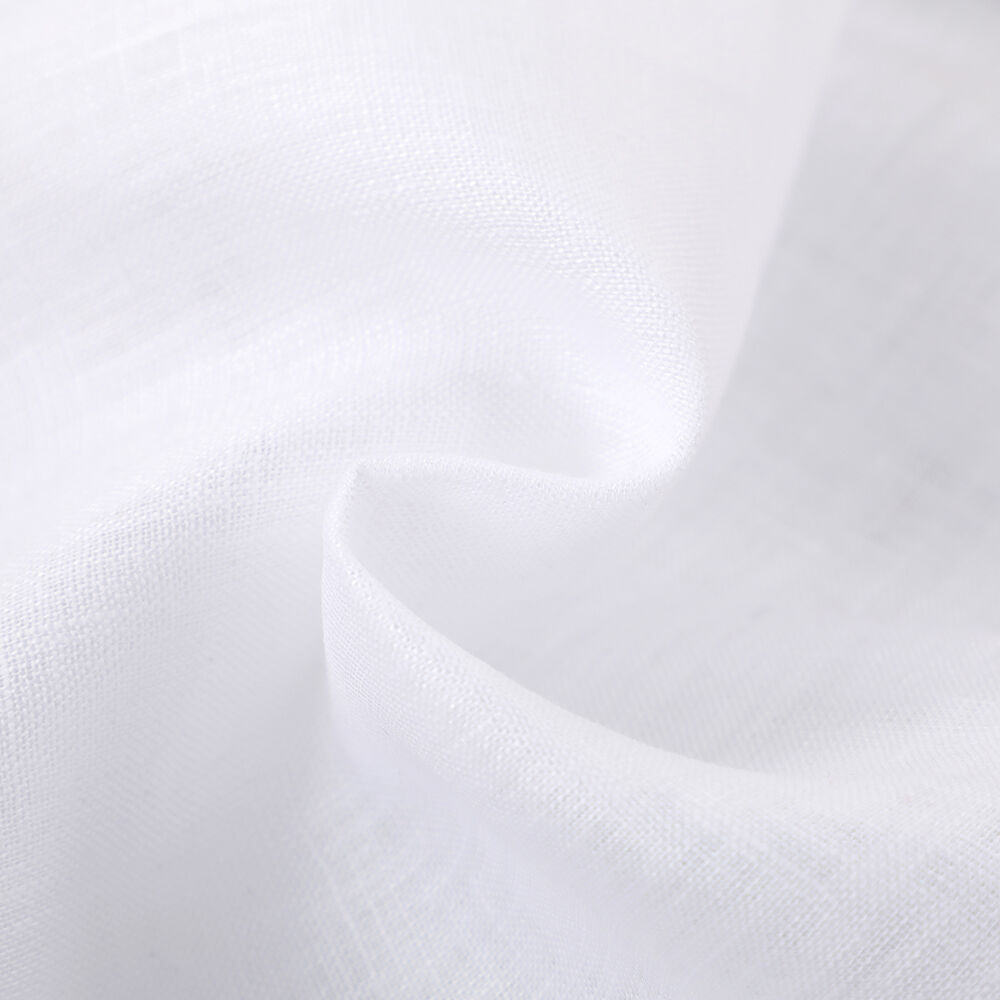
معرفی کنتراست ظریف از طریق پرداختهای مات در مقابل براق و تفاوتهای الیاف طبیعی
پوششهای مات نور را جذب میکنند و ظاهری ظریف و بیزبان ایجاد مینمایند که برای طراحیهای مینیمالیستی ایدهآل است. بافتهای براق نور را منعکس میکنند و عمقی به رویدادهای رسمی میبخشند. تغییرات الیاف طبیعی مانند کتان یا شاهدانه، بافتی را به این پارچهها اضافه میکنند:
- کتان : ناهماهنگیهای ظریف (سلابها) بعدی ارگانیک ایجاد میکنند
-
ترکیبات شاهدانه : تضاد زمینی و لامسهای ارائه میدهند
پارچههای مات میز را با دستمالهای سفرهای براق ترکیب کنید تا جذابیت لایهلایهای ایجاد شود؛ این کار هماهنگی را حفظ میکند و از یکنواختی بصری جلوگیری مینماید.
ارتقای رویدادها با تأکید آگاهانه بر جزئیات تزئینی روی پارچه سفید خالص پنبهای
سبکدهی مراسم ازدواج و رویدادهای رسمی: تاکید بر چینهای دستمال سفرهای، لایهبندی صفحات، ترازبندی لوازم شیشهای و جزئیات صندلیها بهگونهای که با پارچه سفید خالص پنبهای هماهنگ باشند — نه با آن رقابت کنند.
افزودن تنها لمسات مناسب میتواند پارچههای سفید ساده را به چیزی ویژه برای رویدادها تبدیل کند. در مراسم ازدواج یا شامهای لوکس، از تاکردن سادهی پارچههای دستی مانند سبک «پاکت» یا شکل «هرمی» استفاده کنید تا جذابیتی ظریف به میز ببخشید، بدون آنکه افراطی عمل شود. این صفحههای زیبای چینی استخوانی (Bone China) را زیر ظروف سفید معمولی قرار دهید تا با ایجاد تفاوت در سایهها، عمق و جذابیت بصری ایجاد شود. هنگام چیدن لیوانها، مطمئن شوید که بهصورت منظم و هماهنگ در کنار یکدیگر قرار گرفتهاند؛ مثلاً قرار دادن یک لیوان آب در کنار یک لیوان شامپانی، تعادلی ظریف روی میز ایجاد میکند. برای صندلیها، از روبانهای پارچهای حداقلی یا روبانهای نرم و عاجی استفاده کنید که با ظاهر کلی هماهنگ باشند، بدون آنکه با پارچههای دستی رقابت کنند. حفظ سادگی و اندازهگیری دقیق در طراحی، اجازه میدهد زیبایی طبیعی پارچه از طریق چینهای ظریف و خاصیت بازتاب نور آن بهخوبی نمایان شود و کل چیدمان را همزمان اشرافی و راحت احساس کنید.