
 EN
EN
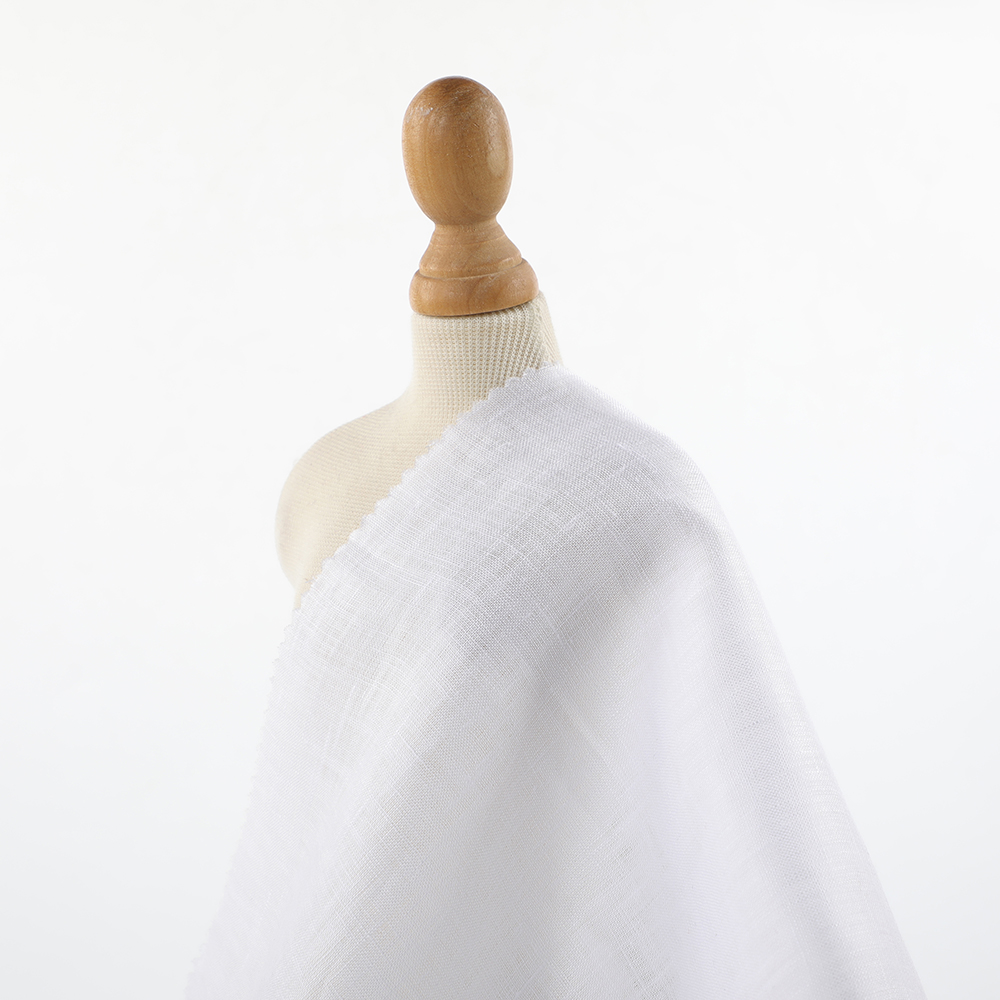
Why Pure White Linen Cloth Is the Essential Foundation for Elegant Tablescapes
Timeless elegance and visual cohesion: how pure white linen cloth anchors refined dining aesthetics
White linen fabric makes for an elegant base that really steps up the look of any table setting. The way it catches and reflects light just enhances everything else on the table, working well with all sorts of different dishware and glassware combinations. Most event planners swear by this stuff since studies show they can work with about 78% more color options when using plain linen instead of those fancy patterned cloths according to Tablescapes Quarterly last year. What I love about linen is how it has that soft sheen combined with just enough texture to catch the eye without being too much for guests who might find busy patterns distracting. When someone knows what they're doing with draping techniques, these cloths create such a clean, upscale feel that turns regular meals into something special and thoughtfully arranged.
Damask vs. plain-woven: texture, drape, and formality implications for pure white linen cloth selection
Your weave choice dramatically impacts the table's personality. Consider these key differences:
| Feature | Damask Weave | Plain Weave |
|---|---|---|
| Formality | High (embossed patterns) | Moderate (clean minimalism) |
| Drape | Structured, holds sharp folds | Fluid, soft cascading lines |
| Best For | Black-tie events, palace hotels | Brunch gatherings, rustic-chic spaces |
| Maintenance | Shows wrinkles prominently | Forgiving natural crinkle texture |
The complex jacquard designs of damask bring a sense of ceremony and grandeur with those reflective patterns catching the light just right. Plain woven linen takes a different approach altogether, offering simple elegance with its natural, flowing drape that feels so comfortable on the skin. When setting up long banquet tables over ten feet in length, the plain weave actually works better because it doesn't stretch out strangely at the seams during service. What both types share though is something really special about white linen fabric itself. It creates this amazing optical illusion where silverware and glassware seem almost suspended in mid air, making any dining experience feel lighter and more refined than it would otherwise be.
Mastering Proportions and Layering with Pure White Linen Cloth
Tablecloth + runner + overlay: achieving depth and dimension without visual noise
White linen is basically the blank page for creating fancy layered tablescapes. Start with a good quality full length tablecloth that hangs down about 10 to 12 inches beyond the edges when setting up for banquets, maybe 8 to 10 inches works better for regular dinner tables though. Throw in something interesting on top like a textured runner in soft ivory or pale oyster colors, placed right in the middle over the base cloth. When hosting really special events, go ahead and add one more layer: sheer organza draped across only the central part of the table. Layering like this adds dimension without losing the overall color balance. Don't get carried away though - stick to no more than three layers at most so things don't look messy. The clean white linen brings everything together visually, creating that elegant yet simple look everyone admires.
Critical measurement guidelines for optimal drop, drape, and fit on standard and banquet tables
Precise proportions transform pure white linen cloth from functional to extraordinary. For standard 30-inch height tables:
- Drop length: 8–10 inches (formal) or 15 inches (floor-length drama)
- Runner width: ⅓ of table width, aligned with place setting edges
- Overlay dimensions: 18–24 inches wide, centered between runner and table edge
Banquet tables (42-inch height) demand adjusted metrics:
- Drop length: 12–14 inches (prevents tripping hazards while maintaining elegance)
- Tablecloth overhang: 16 inches minimum for adequate pooling
- Linen weight: Medium-weight (180–200 GSM) ensures graceful drape without sagging
When cutting linen fabric, remember that it tends to shrink around 2 to 3 percent after washing. That means leaving some extra material is important. Before any event takes place, check how the cloth will hang by putting weights on all four corners. The goal is to have the fabric touch the ground just right, not bunching up or dragging too much. For those really long rectangular tables over eight feet in length, there's a trick to make everything look perfect. Simply join two pieces of cloth together down the middle with what's called a flat fell stitch. This method hides the seam so well that most people won't even notice it exists. After all, nobody wants to see visible stitching ruining the elegant appearance of quality linen tablecloths.
Refining the Monochromatic Palette: Tone, Texture, and Contrast with Pure White Linen Cloth
Ivory, oyster, and bright white: selecting the right tonal variation of pure white linen cloth for ambiance and lighting
The small but significant variations in white linen fabric can completely change how a table looks. Ivory brings a warm feel, oyster offers something more neutral, and bright white delivers that clean, crisp appearance we all know. When there's plenty of natural light, bright white really stands out with its modern vibe. But when dinner is lit by candles, most people find they prefer the gentle glow of ivory. Oyster colored linens work well in either situation since they adapt nicely to different lighting conditions. Think about what kind of colors dominate in the space too. Bright whites tend to look best in rooms with cooler tones, whereas warmer interior designs often pair better with ivory shades for a more cohesive look.
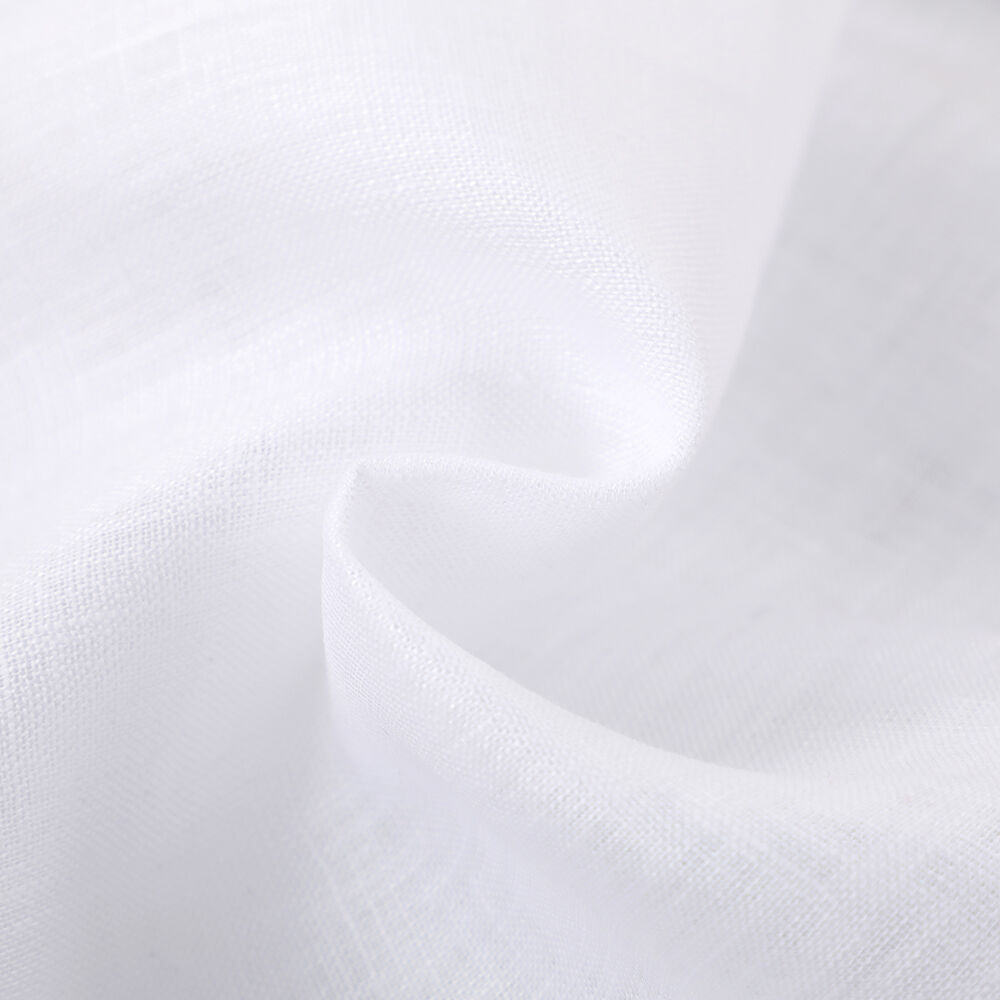
Introducing subtle contrast through matte vs. lustrous finishes and natural fiber variations
Matte finishes absorb light for understated sophistication, ideal for minimalist designs. Lustrous weaves reflect light, adding depth to formal events. Natural fiber variations like flax or hemp introduce texture:
- Flax linen: Subtle slubs create organic dimension
-
Hemp blends: Offer earthy, tactile contrast
Pair matte tablecloths with lustrous napkins for layered intrigue—this maintains cohesion while preventing visual monotony.
Elevating Events with Thoughtful Accents on Pure White Linen Cloth
Wedding and formal event styling: napkin folds, plate layering, glassware alignment, and chair detailing that complement—not compete with—pure white linen cloth
Adding just the right touches can turn plain white linen into something special for events. At weddings or fancy dinners, go for simple napkin folds such as the envelope style or pyramid shape to give the table some interest without going overboard. Place those beautiful bone china chargers under regular white plates to create depth and visual interest through different shades. When setting out glasses, make sure they line up nicely one water glass next to a champagne glass creates balance on the table. For chairs, try minimalistic fabric ties or soft ivory sashes that match the overall look without competing with the linen. Keeping things restrained lets the natural beauty of the cloth shine through its gentle folds and light catching properties, making the whole setup feel elegant yet comfortable.
Table of Contents
- Why Pure White Linen Cloth Is the Essential Foundation for Elegant Tablescapes
- Mastering Proportions and Layering with Pure White Linen Cloth
- Refining the Monochromatic Palette: Tone, Texture, and Contrast with Pure White Linen Cloth
- Elevating Events with Thoughtful Accents on Pure White Linen Cloth