 EN
EN
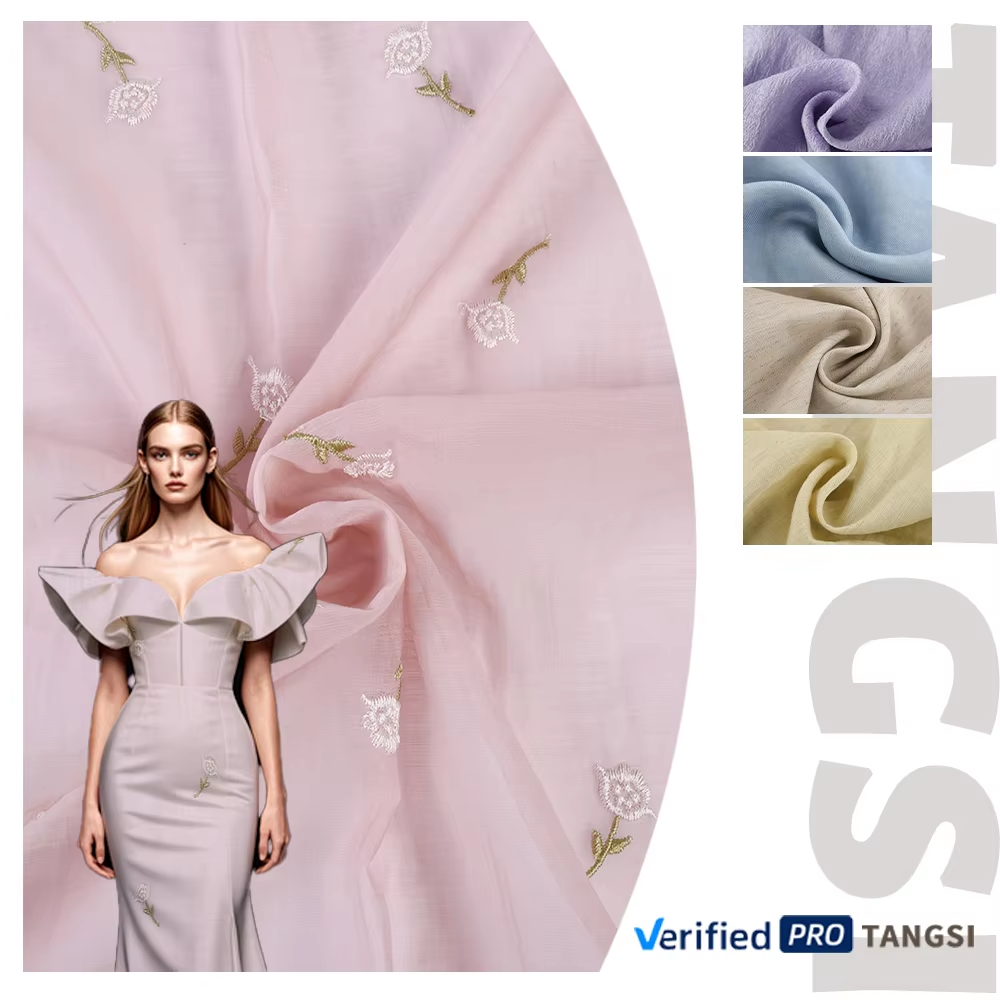
What Is Tencel Bamboo Fine? Origins, Composition, and Industry Context
Tencel Bamboo Fine represents a high quality blend fabric made from two main components. The first part comes from lyocell fibers derived from eucalyptus trees grown under sustainable forestry practices. The second element involves bamboo cellulose that's either mechanically broken down or treated with enzymes. Lenzing AG created this product line, and they've developed quite an impressive manufacturing process for the Tencel portion. Their system works in a closed loop using something called N-methylmorpholine N-oxide, or NMMO for short. About 99% of this solvent gets captured and put back into the system, which means far fewer chemicals end up being released into the environment. Plus, their approach cuts water consumption roughly in half compared to traditional viscose production methods. What makes it "Fine"? Well, there's this special refining process at the nano level that creates incredibly smooth fibers measuring just microns thick. These tiny fibers give fabrics better draping qualities, feel softer against skin, and look much more consistent across the entire material surface.
The combination brings together Tencel's amazing ability to manage moisture (it can absorb up to 50% more water than regular cotton) along with bamboo's natural temperature regulating qualities. Together they create something really special in the world of textiles where sustainability matters a lot given the $1.3 trillion size of this market globally. The fabric passes the strict OEKO-TEX Standard 100 Class I test which means it's safe even for baby skin contact, and also ticks all boxes for the EU Eco Label requirements. For businesses looking to adopt this material though, there are some important checks that need doing first. Raw materials must come from forests certified by either FSC or PEFC standards. Transparency throughout the production process is another key factor. What makes a big difference environmentally speaking is whether companies use gentle mechanical or enzymatic methods to extract bamboo fibers versus those harsh chemical treatments that leave behind environmental damage.
| Characteristic | Tencel Component | Bamboo Component |
|---|---|---|
| Raw Material | Sustainably harvested eucalyptus | Fast-growing bamboo grass |
| Fiber Processing | Closed-loop solvent recovery | Mechanical/enzymatic crushing |
| Key Advantage | Hydrophilic nano-fibril structure | Natural thermal regulation |
| Environmental Impact | 99% solvent reuse | Low pesticide requirement |
More and more designers are turning to this fabric for high end bedding sets and performance wear these days. The reason? Its environmental impact from production standpoint cuts down carbon dioxide emissions somewhere around 30 to 40 percent when compared against regular cotton fabrics. However there's still some hurdles to overcome. Bamboo fibers can be pretty inconsistent which makes scaling up production challenging. Plus the processing costs tend to run higher than traditional materials. Still the market keeps expanding as consumers seek out products that come with certification and clear sourcing information. This growing interest is pushing companies to invest in better supply chain practices that integrate sustainability at every stage while maintaining quality standards across different applications.
Fine Texture Explained: How Fiber Structure Drives Softness, Drape, and Surface Refinement
Microscopic Smoothness and Reduced Skin Friction
The Tencel Bamboo Fine fibers have this really smooth texture when you look at them under a microscope. They get this way because of how the tiny fibrils line up during production and the special solvent process used to make them. What matters most is that these fibers create about 40% less friction against the skin than regular cotton does. That makes a big difference for people with sensitive skin or anyone wearing clothes for long periods. Plus, since they naturally attract moisture, they keep feeling comfortable even after hours of use while still letting air circulate properly.
Drape, Sheen, and Uniformity in High-End Apparel Applications
Fabrics with low bending rigidity and uniformly aligned fibers create that beautiful, flowing drape we all love without any unwanted stiffness. They maintain those clean lines no matter what kind of clothing they're used in. What's really interesting is how the microstructure gives off this smooth, consistent shine that just doesn't match what happens with other materials that get their luster through blending or mechanical spinning processes. The best part? This look and feel stays put even after multiple washes. That makes Tencel Bamboo Fine a go to choice for designers who need fabrics that perform consistently from one production run to the next. Think about those expensive evening gowns where every stitch matters, or luxury sleepwear collections where appearance counts as much as comfort.
| Property | Benefit | Industry Application |
|---|---|---|
| Smoothness | Reduced skin irritation | Luxury loungewear |
| Uniform drape | Clean silhouettes | Couture dresses |
| Hydrophilic nature | Enhanced breathability | Performance activewear |
Breathability and Thermal Regulation: Measured Performance of Tencel Bamboo Fine
Tencel Bamboo Fine delivers measurable advantages in dynamic thermal regulation—rooted in its dual-fiber architecture. The Tencel component contributes micro-grooved channels that accelerate moisture transport, while bamboo’s natural porosity enhances air permeability and vapor dispersion.
Moisture Wicking and Absorbency Under Humid Conditions
Bamboo-derived cellulose absorbs up to 60% more moisture than cotton, rapidly drawing sweat away from the skin and supporting faster evaporation. Independent testing confirms a 40% faster drying rate versus standard viscose—reducing heat retention during physical exertion and improving comfort in high-humidity environments.
Air Permeability and Evaporative Cooling (ASTM D737/ISO 9237 Data)
According to ASTM D737 tests, Tencel Bamboo Fine allows about 35% more air to pass through compared to regular cotton fabrics. The way this material is structured lets sweat evaporate better, which actually cools down the fabric surface by roughly 2 to 3 degrees Celsius when tested under controlled conditions. Looking at ISO 9237 results shows that the fabric keeps transmitting moisture even after multiple washes. This means the performance doesn't drop over time and the material won't stick uncomfortably to skin when there are sudden changes in temperature or humidity. Because of these properties, many manufacturers find it particularly useful for making sportswear that breathes well and bedding systems that stay comfortable regardless of seasonal weather fluctuations.
Tencel Bamboo Fine in Practice: Sustainability Claims, Certification Clarity, and B2B Sourcing Considerations
Tencel Bamboo Fine definitely has some good sustainability points going for it, but when it comes to actually making sure materials are responsibly sourced, we need something stronger than just marketing speak. Different certifications play specific roles that can't really be swapped around. The FSC or PEFC labels basically check if forests where eucalyptus and bamboo grow are being managed properly. Then there's GOTS which looks at whether the whole production process meets organic standards, handles wastewater correctly, and ensures workers get treated fairly throughout the supply chain. And let's not forget about OEKO-TEX® Standard 100, which tests fabrics to make sure they don't contain more than 100 harmful chemicals. Just picking one certification isn't enough though. Companies still run into greenwashing problems unless they can track every step from tree to finished product.
Closed loop manufacturing still stands out as something that sets companies apart. Take Lenzing's Tencel process for instance, which manages to recycle nearly all (about 99%) of its solvents while cutting down water consumption roughly half compared to traditional approaches. Business to business customers aren't just checking boxes anymore when it comes to their supply chains. They want to see actual proof through proper audits of supplier records, detailed testing results specific to each batch produced, plus an understanding of every step involved starting right from where materials are harvested until they reach final product stage. With regulations getting stricter across Europe under initiatives such as the EU Strategy for Sustainable and Circular Textiles, having clear evidence about where materials come from isn't just good practice anymore. It has become essential both operationally speaking and for protecting brand reputation among environmentally aware consumers who care deeply about these issues.
Table of Contents
- What Is Tencel Bamboo Fine? Origins, Composition, and Industry Context
- Fine Texture Explained: How Fiber Structure Drives Softness, Drape, and Surface Refinement
- Breathability and Thermal Regulation: Measured Performance of Tencel Bamboo Fine
- Tencel Bamboo Fine in Practice: Sustainability Claims, Certification Clarity, and B2B Sourcing Considerations