 EN
EN
What Makes Linen 'Heavy'? Understanding GSM, Fiber Strength, and Structural Performance
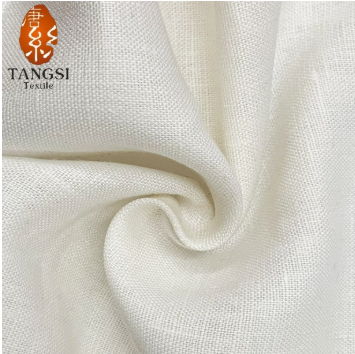
Defining Heavy Linen Fabric: Weight Ranges (350–500+ gsm) and Functional Implications
Heavy linen fabric is defined by its weight density—measured in grams per square meter (GSM). Fabrics exceeding 350 GSM are classified as heavyweight, with premium upholstery grades commonly reaching 500+ GSM. This increased mass delivers measurable functional advantages:
- Structural rigidity: Resists sagging and deformation on furniture frames
- Abrasion resistance: Withstands 25,000+ Martindale rub cycles—meeting commercial-grade durability standards
- Thermal regulation: Maintains breathability despite thickness, reducing heat retention by up to 30% compared to polyester blends
Unlike synthetics, linen achieves this performance through its natural fiber architecture—not chemical additives or coatings.
Why Linen Fiber Excels: Tensile Strength and Load Resistance vs. Cotton and Polyester
The real advantage of linen starts right at the fiber level itself. Flax produces these amazing cellulose chains that line up neatly side by side with pretty impressive crystallinity. What does this mean? Well, linen actually has about 20% more tensile strength compared to regular cotton fabric and can hold around 15% more weight than polyester fabrics of similar thickness. Something else worth noting is how linen handles moisture. It can soak up roughly 20% of its own weight in water without getting weaker. Cotton tells a different story though as it tends to lose strength when damp. For those looking at upholstery materials specifically, heavy duty linen fabric can literally support three times what it weighs on its own while standing up much better against common issues like pilling, wear and tear on fibers, and general surface breakdown that happens over years of use.
Heavy Linen Fabric for Upholstery: Durability, Comfort, and Proven Long-Term Performance
Real-World Wear Resistance: Martindale Ratings (25,000+), Pilling Control, and Breathability in Residential & Contract Use
Heavy linen regularly passes those tough 25,000 plus Martindale tests needed for commercial upholstery work. We've seen this hold true in hotels, offices, and even busy homes where furniture gets constant action. The way linen is woven creates gaps between the threads that let air move through freely. This helps keep things cooler during hot days and stops moisture from building up behind seat cushions or getting trapped on fabric surfaces. Linen just doesn't wear down as easily as other materials because the fibers themselves are naturally resistant to rubbing damage. Plus, since there aren't these synthetic polymer bits in linen that tend to ball up over time, it keeps looking good without needing special treatments against pilling. What does all this mean? Less cleaning and upkeep down the road, same comfortable feel after years of sitting on it, and furniture that actually lasts longer despite being used every single day by lots of different people.
Heavy Linen Fabric in Craft Applications: Strength Meets Structure and Sustainability
From Aprons to Drapery and Structured Bags: Leveraging Rigidity, Tear Resistance, and Natural Drape
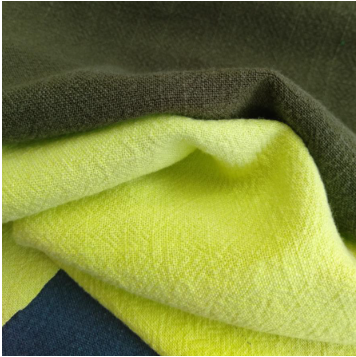
Heavy linen in the 350 to 500 GSM range offers great dimensional stability for all sorts of craft projects that need structure. The material is naturally stiff enough to hold shape on its own when making things like tote bags or aprons, so no extra interfacing is needed most of the time. Plus, it stands up pretty well to wear and tear, resisting tears even after lots of use from tools or carrying heavy stuff around. When used for drapes, this linen has a nice natural drape that makes interesting folds and shapes. These folds help spread out light nicely across a room but still let air circulate through, which means less chance of getting mold problems in damp areas where moisture tends to build up over time.
Sustainability is intrinsic: flax requires significantly less water and no irrigation to grow, uses fewer pesticides than cotton, and is fully biodegradable. The subtle slubs characteristic of linen add organic texture to heirloom-quality pieces—from thermal-curtain panels to reinforced workwear—blending artisanal appeal with enduring performance.