 EN
EN
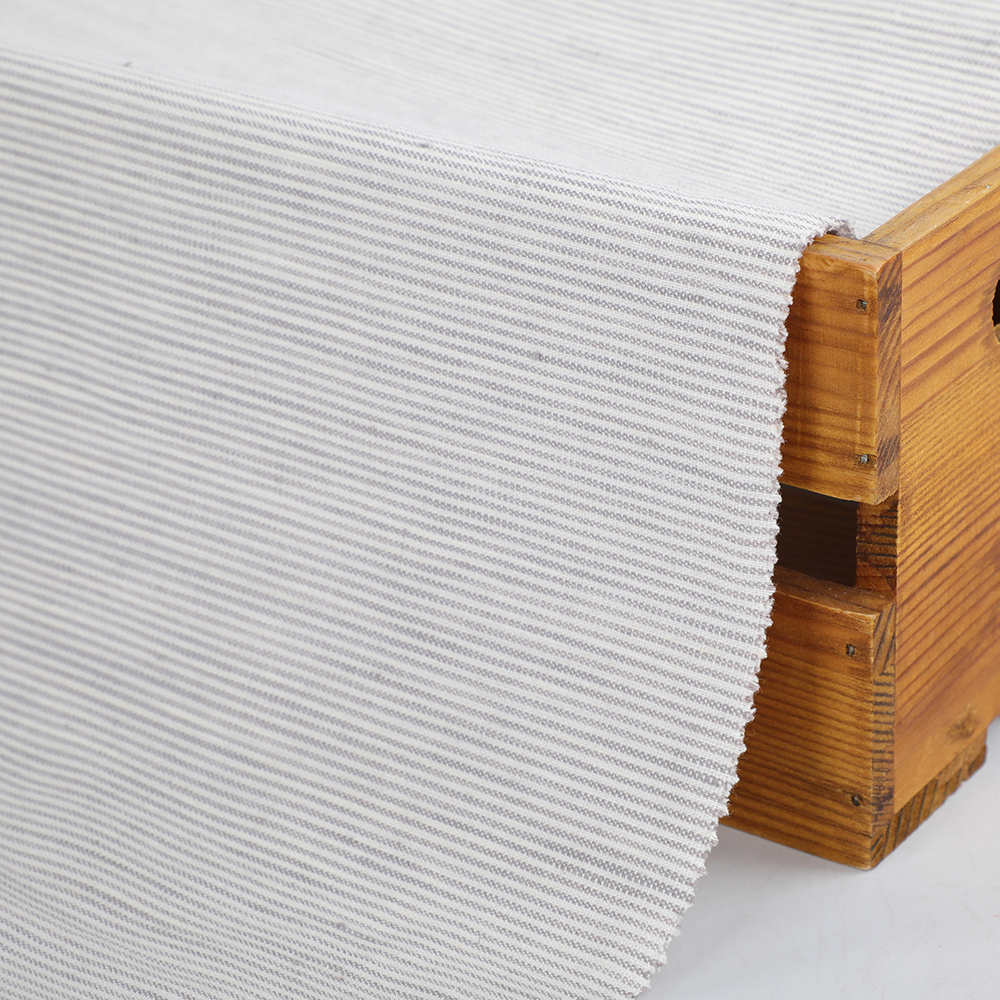
The Sustainability Advantage of Organic Cotton Linen Fabric
How Organic Cotton and Linen Synergize for Lower Water Use, Zero Synthetic Pesticides, and Full Biodegradability
When organic cotton meets linen, we get a fabric combination that's really good for the planet. Organic cotton grows without those harsh chemicals farmers normally spray on regular cotton fields. Instead, it depends mostly on rainfall and special farming methods that actually save about 91% of the water typically used (Textile Exchange reported this in 2023). Then there's linen made from flax plants which don't need much water at all since they can survive dry conditions naturally. No pesticides or fertilizers are needed either. These two materials work together beautifully to stop harmful chemicals from getting into our waterways, help keep wildlife safe, and preserve clean water sources. The unique structure of these fibers makes clothes breathable without needing extra treatments. Plus, when these fabrics finally reach the end of their lives, they break down completely within just a few months rather than sitting around for hundreds of years as plastic waste does. And let's not forget about linen's amazing strength properties that mean products last longer before needing replacing, which helps everyone move toward a more circular approach to clothing consumption.
Certification Essentials: Why GOTS and OEKO-TEX® Standard 100 Validate True Eco-Friendly Claims
Third party certifications really matter when it comes to checking if sustainability claims are genuine or just marketing fluff. Take GOTS for instance, which stands as the gold standard in the industry. For something to carry this label, it needs at minimum 70% organic fibers throughout the whole process. No toxic chemicals allowed either - think noxious dyes, heavy metals, GMOs anywhere from where the plants grow all the way through to the final fabric product. Labor standards must be met too, along with proper handling of wastewater. Then there's OEKO TEX Standard 100 that works alongside GOTS. This one tests fabrics for hundreds of potentially harmful stuff like formaldehyde, allergy causing dyes, and leftover pesticides. The goal here is simple: make sure what touches our skin is actually safe. When we see both these certifications together on organic cotton linen products, shoppers get pretty solid proof that what they're buying has been checked thoroughly for chemicals, made under decent working conditions, and can track back through every step of production. Not bad for some paper seals!
Performance Benefits of Organic Cotton Linen Fabric
Breathability and Thermoregulation: Hollow Linen Fibers + Soft Organic Cotton Surface
The combination of organic cotton and linen makes for really good climate responsive comfort because of how these two fibers work together. Linen has those naturally hollow and porous fibers which form tiny air channels throughout the fabric. These little air pockets help move sweat away fast and let body heat escape, making it great stuff for hot weather situations. The organic cotton part gives the fabric a nice softness on top that soaks up moisture from the skin but still feels gentle against it. When worn together, this mix helps regulate body temperature pretty well. Some tests done on textiles actually found that people wearing clothes made from this blend experienced about 1.5 to 2 degrees Celsius less variation in their skin temperature compared to when wearing polyester or regular cotton fabrics. That means better comfort levels without needing extra heating or air conditioning systems.
Hypoallergenic Safety and Durability: Ideal for Sensitive Skin and High-Use Home Textiles
Organic cotton linen fabric stands out because it doesn't contain those harsh synthetic pesticides, chlorine bleach stuff, or chemical finishes that irritate so many people. What's really nice about it is how naturally resistant it is to microbes, which means fewer problems with bacteria growing on the fabric surface. This cuts down on skin irritation issues, particularly important for folks who suffer from eczema or have sensitive skin. The linen part comes from those long, sturdy cellulose fibers that just don't pill easily and actually get stronger when wet. Meanwhile, the organic cotton component gets softer every time it goes through the wash cycle. We're talking about a material that can handle well over 200 washes before showing signs of wear, lasting roughly three to five times longer than regular blends typically do. That kind of durability makes these fabrics great choices for things that get used a lot and need frequent washing such as bath towels, bed sheets, and tablecloths where having something safe, lasting, and environmentally friendly all at once matters most.
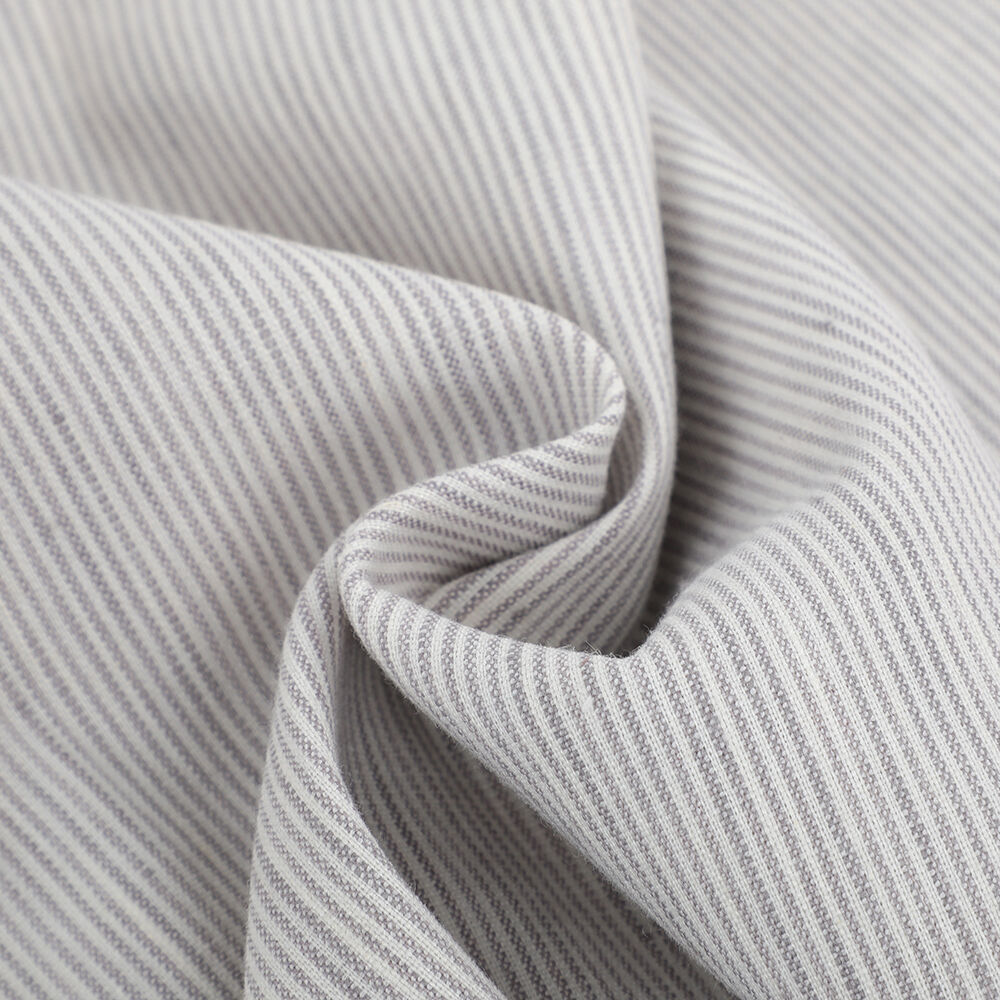
Real-World Applications: Choosing Organic Cotton Linen Fabric for Bedding, Towels, and Table Linens
Home textiles get a real upgrade when we talk about organic cotton linen fabric. It brings together eco-friendly materials with practical benefits that work wonders in the bedroom. The fabric stays comfortable throughout all seasons because of how it regulates temperature. Linen has this great ability to wick away moisture, so people don't wake up drenched in sweat at night. At the same time, the softness of organic cotton creates a sleeping surface that doesn't irritate skin, helping folks actually rest better. That's why many prefer these materials for things like duvet covers, pillowcases, and those fitted sheets that always seem to slip off during the night.
In towels, the blend delivers fast absorption, quick drying, and natural resistance to odor-causing bacteria—without synthetic antimicrobials. Its gentle texture is especially beneficial for children, aging skin, or post-procedure care, aligning wellness goals with sustainable choices.
Table linens gain both practicality and presence: napkins and tablecloths retain crispness and absorbency through repeated laundering, handle spills gracefully, and age beautifully with subtle texture development—offering understated elegance rooted in responsible material choice.
| Application | Key Benefits |
|---|---|
| Bedding | Temperature regulation, moisture-wicking, skin-friendly softness |
| Towels | High absorbency, quick-drying, hypoallergenic safety |
| Table Linens | Durability, stain resistance, natural aesthetic |
By meeting rigorous environmental standards and delivering measurable performance advantages, organic cotton linen fabric proves that sustainability and sophistication need not be mutually exclusive—in fact, they reinforce each other across every home textile category.