 EN
EN
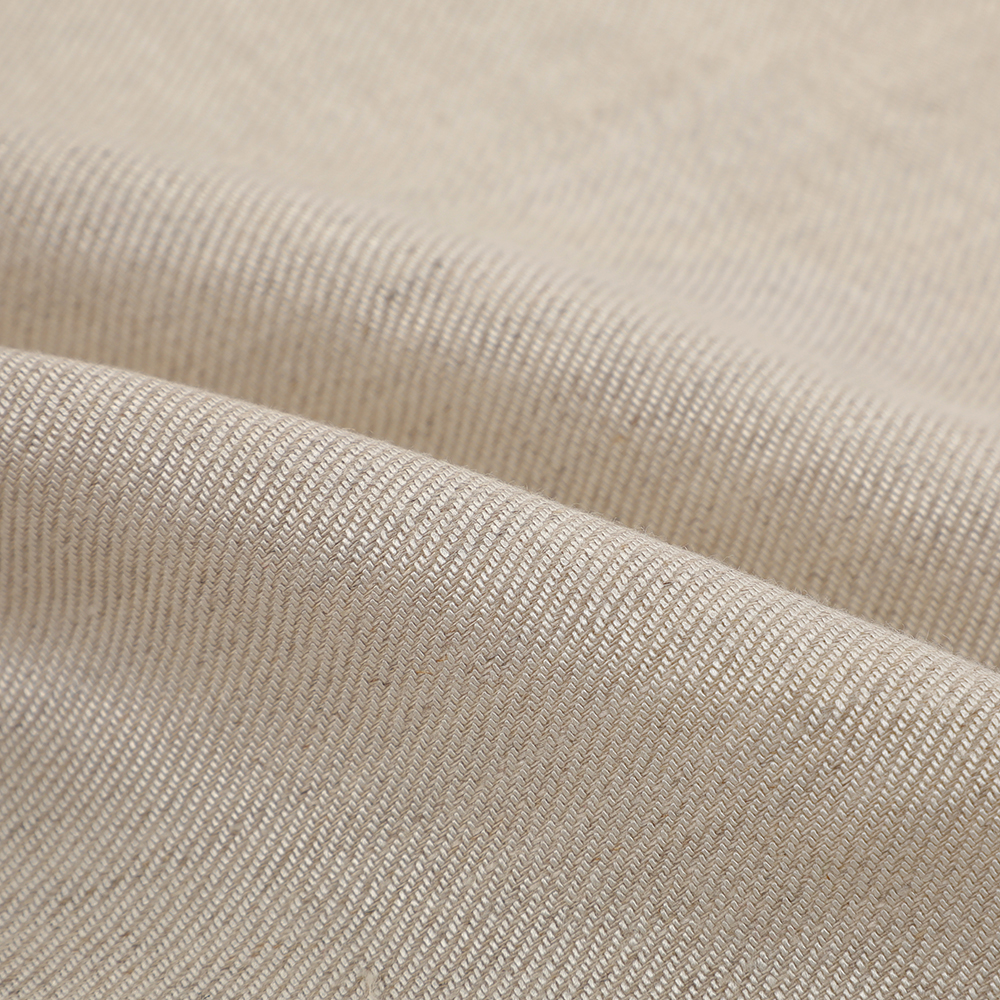
Why Printed Linen Cotton Fabric Achieves Superior Color Vibrancy
Natural Fiber Synergy: How Linen’s Absorbency and Cotton’s Uniformity Boost Ink Hold and Hue Depth
What makes printed linen cotton fabric so colorful comes down to how these two fibers work together. Linen naturally soaks up ink better than most synthetic materials out there, letting the colors sink deep into those fibers instead of just sitting on top. Cotton adds something different too it gives printers a nice smooth base to work with, which means the ink spreads out evenly across the fabric. When combined, they create some pretty impressive color depth. Tests show linen can actually hold about 18% more dye compared to regular cotton by itself, and the way cotton weaves keeps things from getting all blotchy looking. Fabric printed this way stays bright and full of life for ages, showing off those subtle changes in tone that really stand out in gradient designs. Even after washing dozens of times, these prints keep their vibrancy without fading away.
Digital Printing Advantages for Printed Linen Cotton Fabric: Precision, Gamut Expansion, and Low-Waste Output
Digital printing these days really brings out amazing colors on those linen cotton blends thanks to three main factors working together. The inkjet printers can get super detailed at around 1440 dpi without the ink spreading out, which matters a lot when printing on linen since it has those little bumps and texture spots called slubs. With wider CMYK+ color ranges, we're hitting about 95% of Pantone colors instead of the roughly 78% from old school screen printing techniques. That means getting those vibrant neon shades and rich jewel tones consistently works out much better now. The water based pigments actually stick to the fabric fibers during the curing process too. This cuts down on water usage by about 60% and creates almost no waste compared to older rotary printing methods. What makes this approach so great is that even though it's environmentally friendly, it still keeps all the good qualities of the fabric intact like how it drapes, breathes, and feels between fingers while maintaining that museum quality color accuracy everyone wants.
Optimal Printing Techniques for Printed Linen Cotton Fabric
Digital Fabric Printing: Best Practices for Sharpness, Consistency, and Eco-Friendly Production
When it comes to printed linen cotton fabrics, digital textile printing has become pretty much the best option around these days. According to Textile World from last year, this method achieves about 98% color accuracy because it adjusts droplet sizes based on how the fabric is made with both linen and cotton fibers. There are several things that make this process stand out. For starters, the machines run at lower temperatures around 130 degrees Celsius which helps keep the linen feeling natural instead of getting damaged during production. They also use water based inks that significantly reduce wastewater compared to traditional screen printing methods cutting down around three quarters of what would normally go down the drain. Another big plus is their ability to align patterns using special algorithms that actually account for those little bumps and inconsistencies that happen naturally in linen fabric. Compared to old school analog methods, digital printing completely gets rid of all that wasted material from making screens. Plus, it keeps everything aligned within half a millimeter even when running long continuous patterns, so whatever design gets printed looks sharp and consistent no matter how big or small the final product needs to be.
Pigment Printing Trade-Offs: Assessing Wash-Fastness, Hand Feel, and Vibrancy Retention on Linen Cotton Blends
Pigment printing can save money but requires careful mixing when working with linen cotton blends. The wash fastness rating according to ISO 105-C06 standard needs to be at least 4+. Binder levels really impact how well everything works out. When we use about 15% binder, the fabric keeps that nice crisp feel people want from linen, though there is more chance of color rubbing off. Lowering it to around 8% makes the material softer to touch, but colors tend to fade quite a bit after just 25 washes, losing roughly 20% of their brightness. Now comes the good news though. These new nano encapsulated pigments seem to strike the right balance. They hold onto their vibrant colors about 30% longer than regular ones without making the fabric any less breathable. That makes them pretty great for clothing and home decor items where looking good and feeling comfortable are both important considerations.
Design Strategies to Maximize Vibrancy on Printed Linen Cotton Fabric
Pattern Scaling & Texture Alignment: Leveraging Linen’s Slub and Cotton’s Smoothness for Visual Impact
When scaling patterns strategically, we get more vibrant results because the design works with how the fabric actually behaves. Take linen for instance its natural slubs create these little shadow pockets that give bold designs extra dimension. We usually bump up patterns about 15 to maybe 20 percent in areas with lots of those slubs, which makes them stand out better without messing up the look. On the flip side, when working with detailed stuff like thin lines or gradual color changes, cotton dominant fabrics are our go to choice since their fibers line up so nicely that printed colors stay sharp and clean. Don't try putting tiny details on rough spots they just get lost in all that texture. Better to go with big sweeping botanical designs or geometric patterns that follow the fabric grain. Getting this right turns linen's natural texture from a challenge into something visually interesting, while cotton keeps our colors looking good exactly how we want them.
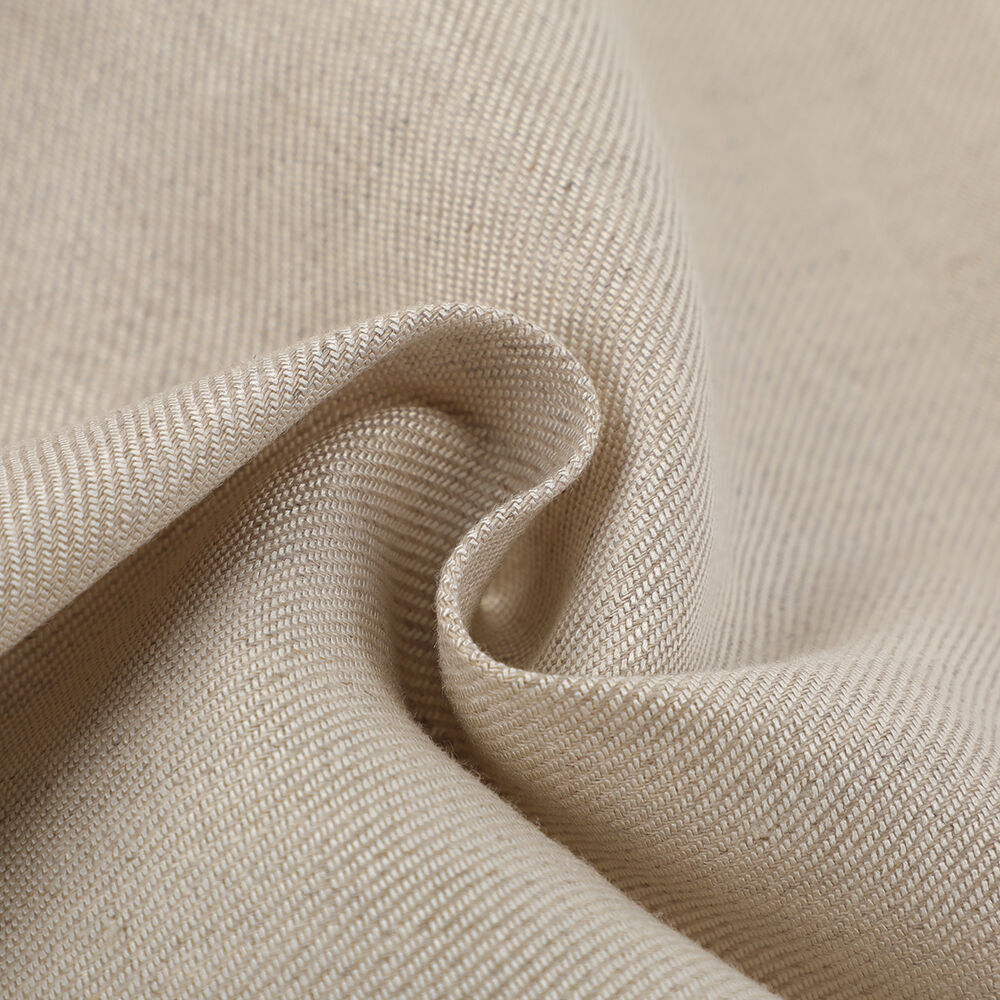
Commercializing Vibrant Printed Linen Cotton Fabric: From Sampling to Scale
Getting vibrant printed linen cotton fabric to market successfully depends on sticking to three main steps throughout the process. When making samples, we need to check if colors stay true after printing. The way linen feels rougher compared to cotton's smoother surface affects how ink gets absorbed, so we have to play around with settings like saturation levels and temperatures to get those colors right. Once production starts scaling up, the digital printers need to maintain consistent brightness from one batch to another while also cutting down on wasted water and dyes. Quality checks become super important at this stage too. We look closely at whether colors are deep enough and patterns line up properly, especially when those little bumps in the linen fabric (called slubs) run into the printed designs. Last but not least, what goes around the fabric matters just as much. Eco friendly packaging helps protect the fabric during shipping, keeping everything intact until it reaches stores. This approach makes sure fabrics last long enough for customers but still look amazing when they finally see them.