 EN
EN
Versatile Uses for Organic Cotton by the Yard in Craft Projects
Why Organic Cotton by the Yard Is the Ideal Foundation for Sustainable Crafting
Softness, breathability, and natural fiber integrity—key advantages for handwork and wearables
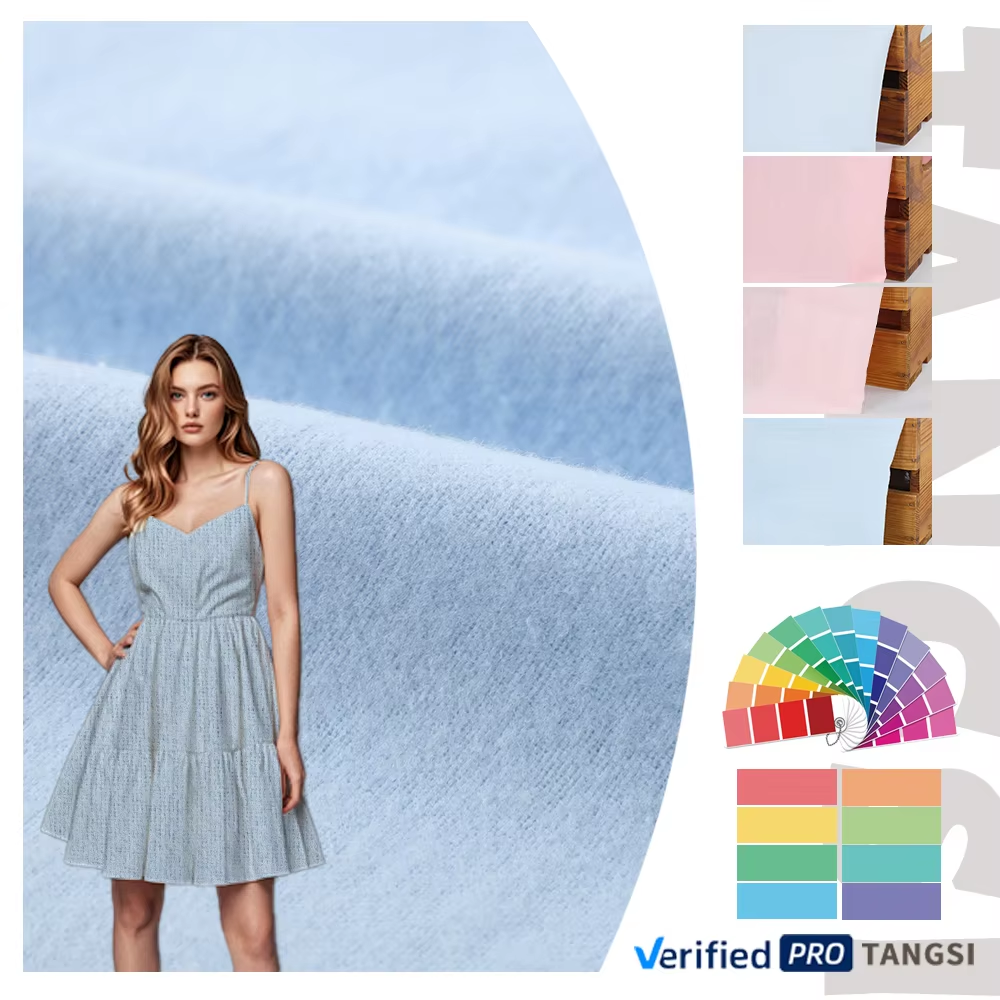
When working with organic cotton by the yard, crafters get something really special - super soft material that lets air flow through and holds together well even after repeated use. This makes it great for making things people actually touch and wear regularly. The natural fibers don't irritate skin much because they pull sweat away from the body pretty well, which is why many parents choose this fabric for little ones' outfits or undergarments where comfort matters most. Compared to synthetic materials, organic cotton keeps our bodies at just the right temperature without needing those harsh chemical treatments manufacturers often apply. What stands out about this fabric is how it drapes when cut, making sewing garments feel intuitive rather than frustrating. Plus, when someone sits down to quilt, embroider, or do detailed stitching work, the consistent texture of organic cotton gives clear feedback through fingertips, so mistakes happen less frequently during these delicate processes.
Durability and wash resilience: USDA-backed performance data for long-term craft use
Organic cotton certified by authorities actually lasts longer than regular cotton. According to USDA data, it can handle about 30 percent more washes before showing signs of wear, all while keeping colors bright and fabric strong. Independent tests back this up too, finding around 15% better resistance when pulled apart. That matters a lot for things we use constantly, think reusable grocery sacks or family quilts passed down through generations. The fabric has a denser weave pattern which means it doesn't pill as easily or get worn out from normal use. Over time, clothes made from organic cotton stay looking good and working properly even after repeated washing. Because they last so much longer, people don't need to replace them as often, making them sustainable not only because they're eco-friendly but also because they save money in the long run.
Health-first benefits: reduced chemical exposure for crafters and end users (GOTS-certified assurance)
The Global Organic Textile Standard (GOTS) gives crafters peace of mind knowing their organic cotton fabric hasn't been exposed to harmful chemicals at any stage from farming to final product. Labs have tested these fabrics extensively and found absolutely no traces of pesticides compared to regular cotton which can still have residue in about 1 out of every 6 samples. What's more, when someone irons or applies heat to GOTS certified cotton, they release around 90 percent less VOCs than standard fabrics do. For people working directly with fabric all day long, this makes a huge difference. And parents should take note too since babies' skin is so sensitive. Anyone with allergies or chemical sensitivities will appreciate breathing easier around these materials. That's why GOTS has become the gold standard for anyone concerned about what goes into their textiles.
Sewing Projects with Organic Cotton by the Yard: Apparel, Accessories, and Reusable Home Goods
Hypoallergenic dressmaking and children’s wear—safety, drape, and compliance insights
When it comes to kids clothes, undergarments, or anything that touches sensitive skin, organic cotton remains the go-to fabric for many makers. The way this cotton grows naturally allows air to circulate better while leaving behind no traces of harmful chemicals, which meets those strict GOTS standards for fabrics that won't irritate delicate skin. Most people find that this cotton shrinks very little after washing, usually staying within about 3%, so patterns stay true even when working on multiple pieces at once. That makes life easier for independent designers who produce smaller quantities as well as hobbyists looking for something they can count on for good shaping and flow. Weighing in at a moderate thickness, it gives garments enough body without feeling stiff, which works great for everything from pretty dresses to casual blouses and light jackets.
Functional zero-waste items: produce bags, napkins, and cleaning cloths optimized for absorbency and longevity
When it comes to making reusable items that really work, unbleached organic cotton stands out from the crowd. Tests have found that this material soaks up around 40 percent more liquid compared to regular cotton, which makes it great for things like kitchen towels, those thick cleaning rags everyone needs, and even cloth napkins for meals. The fabric is woven with a thread count above 200, something that helps it last through hundreds of washes without falling apart or losing quality. After all those cleanings, it still keeps its ability to resist microbes and doesn't shed lint everywhere like cheaper alternatives tend to do. People who want their reusable products to actually perform well over time find this type of cotton particularly appealing for all sorts of household uses.
- Produce bags, engineered with balanced breathability to extend food freshness
- Dinner napkins, featuring superior stain release and softening with each wash
- Multi-surface cleaning cloths, leveraging tight-weave durability and static-free texture
These attributes support durable, functional zero-waste living—replacing disposables without compromise on performance or longevity.
Quilting, Appliqué, and Heirloom Textile Art Using Organic Cotton by the Yard
Fabric selection guide: quilting cotton vs. organic lawn—weight, print fidelity, and stability for precision work
The right fabric makes all the difference when it comes to quilting and creating heirloom quality textile art. Look for organic quilting cotton that weighs around 4 to 5 ounces per square yard. This type of fabric stays put while working on projects because of how densely woven it is. No more frustrating shifts happening during the piecing process or when doing those detailed machine quilting stitches. Especially helpful for anyone tackling geometric designs or foundation paper piecing techniques where precision matters so much. Plus, these heavier fabrics handle high resolution prints really well. They maintain crisp lines and tiny details even after washing, which means finished pieces look just as good years down the road as they did fresh off the sewing machine.
Organic lawn fabric, usually around 2 to 3 ounces per square yard, is all about flow and finesse. The way it feels between fingers makes it great for those fancy curved applique pieces, bias bindings, and traditional French sewing methods where there just can't be any bulk and everything needs to fold beautifully. Sure, because it's on the lighter side, folks often need to use stabilizers when doing heavy embroidery work, but what this material lacks in heft it makes up for in elegance. Think christening gowns passed down through generations or those delicate linens trimmed with intricate lace details. When we actually test how these fabrics behave under stress, quilting cotton only stretches about 3% while lawn gives a bit more at 5 to 7 percent. What's really nice though? Neither option contains chemicals that could irritate skin, so crafters concerned about their health can still create amazing things without compromising their artistic vision.
Non-Sewing Applications: Organic Cotton by the Yard in Painting, Embroidery, and Mixed-Media Crafts
Archival-grade organic cotton canvas: a non-toxic, sustainable alternative to synthetic primed surfaces
More and more artists are choosing organic cotton fabric by the yard as their go-to material for creating art. The unbleached, untreated nature keeps things balanced in terms of acidity levels while preserving the strength of the fibers themselves. Regular canvases often come with coatings full of volatile organic compounds from acrylic primers or sizing agents containing heavy metals. But when stretched properly and given a coat of plant based gesso, these cotton sheets become completely non toxic surfaces that meet GOTS standards. They work great for oil paints, acrylics, watercolors even let's not forget about adding embroidery elements later on. Artists who work with multiple media types notice something interesting too their cotton pieces stay flat much better than regular canvases. Some folks have actually seen around 30 percent less distortion happening over months of storage. Plus there's that natural ability to soak up watercolors beautifully without needing any synthetic stuff mixed in. For anyone looking to create art that lasts but wants to be kinder to the planet at the same time, this cotton option ticks all the boxes.