 EN
EN
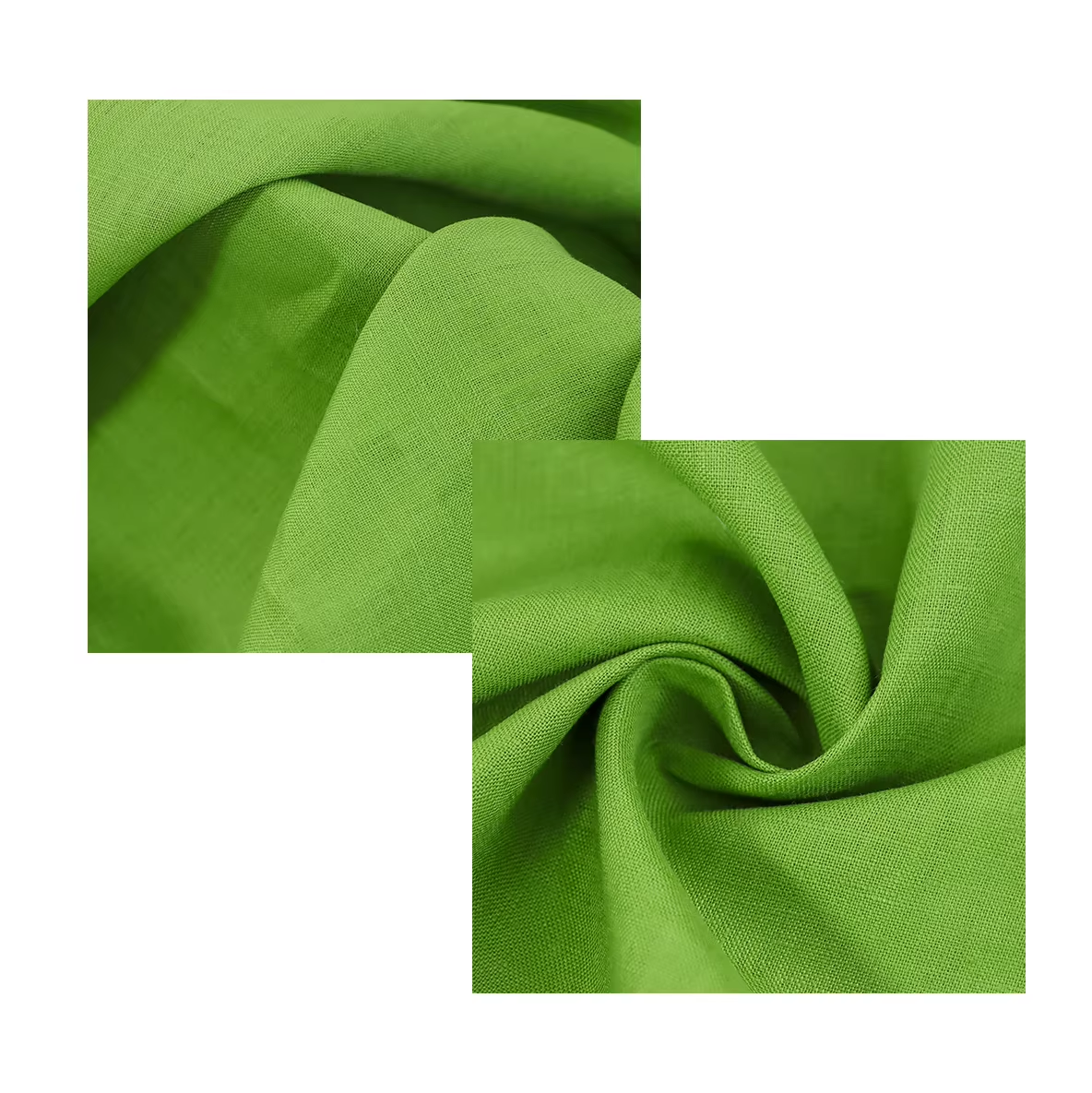
Pure Linen Material Is Skin-Safe and Hypoallergenic
Why pure linen material soothes sensitive skin: natural antibacterial properties and low allergen risk
Pure linen is naturally hypoallergenic and antibacterial—qualities rooted in the flax plant’s cellulose fibers. These fibers inherently resist bacteria, mold, and dust mites, significantly lowering the risk of skin irritation. Unlike synthetics that trap heat and moisture, linen wicks sweat rapidly, keeping skin dry and less prone to flare-ups from conditions like eczema or contact dermatitis. Its open, breathable weave also prevents overheating—a common trigger for sensitivity. Because traditional linen production avoids harsh chemical finishes (e.g., formaldehyde resins or silicone softeners), it minimizes exposure to common textile allergens. This makes it especially well-suited for handmade accessories worn directly against the skin—scarves, headbands, wristbands—where gentle, consistent contact matters most.
OEKO-TEX® certified pure linen material: clinical support and ethical assurance for direct-skin accessories
OEKO-TEX® Standard 100 certification adds rigor to linen’s natural safety profile. This independent testing verifies the absence of over 300 harmful substances—including pesticides, heavy metals, and formaldehyde—known to provoke allergic or inflammatory responses. For accessories designed for prolonged skin contact, this certification provides clinically grounded reassurance that the fabric meets strict human-ecological safety thresholds. It also confirms responsible manufacturing practices, including wastewater treatment and restricted use of hazardous dyes, aligning with both health-conscious and ethically minded consumers. Artisans who specify OEKO-TEX® certified pure linen signal a commitment not only to wearer comfort but to transparency across the supply chain.
Pure Linen Material Delivers Exceptional Breathability and Climate Adaptability
How pure linen material wicks moisture and regulates temperature in wearable handmade accessories
Linen’s climate-responsive performance stems from its physical structure: natural cellulose fibers contain microscopic air pockets and irregular surfaces that create capillary channels. These features enable rapid moisture wicking—drawing sweat away from the skin—and accelerate evaporation through high air permeability. The result is a cooling, dry sensation even in humid or fluctuating environments, from sun-drenched streets to climate-controlled interiors.
The table below compares key comfort metrics across common fabrics:
| Fabric Type | Moisture Management | Air Permeability | Temperature Control |
|---|---|---|---|
| 100% Pure Linen | Superior | High | Excellent |
| Cotton | Good | Moderate | Very Good |
| Pure Polyester | Limited | Low | Poor |
| Linen-Polyester Blend (≥25% Linen) | Good | Moderate | Good |
This balance of breathability, wicking, and thermal regulation makes pure linen uniquely suited for wearable accessories—delivering reliable comfort without compromise, regardless of ambient conditions.
Pure Linen Material Offers Unmatched Durability and Evolving Aesthetic Appeal
Tensile strength, absorbency, and progressive softening: why pure linen material improves with age and use
Linen boasts nearly double the tensile strength of cotton, giving handmade accessories exceptional resistance to wear, tear, and fraying—even with daily use over years. Its high absorbency (up to 20% of its weight in moisture) supports effective wicking without dampness, helping prevent odor and mildew buildup. Crucially, linen undergoes progressive softening: stiff flax fibers gradually relax through repeated washing and friction, yielding a supple, skin-friendly hand over time. Unlike synthetics that degrade or pill, fine pure linen retains structural integrity while gaining tactile refinement—a rare fusion of resilience and evolving comfort. With proper care, a well-made linen accessory can remain functional and beautiful for decades.
Authentic texture and timeless elegance: slubs, drape, and tactile character unique to pure linen material
The charm of pure linen lies in its honest, unrefined character. Slubs—subtle knots formed during spinning—are hallmarks of authenticity, not flaws, lending each piece individual texture and visual depth. Linen’s natural drape evolves gracefully: initial crispness gives way to fluid folds and gentle creasing through wear, enhancing movement and fit in scarves, hats, and structured bags. Its matte finish and soft luster convey quiet sophistication, while its ability to breathe and respond to the body ensures comfort without sacrificing form. Over time, linen develops a distinctive patina—light fading, increased pliability, and richer tonal variation in the weave—affirming its status as a material whose beauty deepens with use.
Pure Linen Material Supports Sustainable and Ethical Artisanship
Flax—the source of linen—thrives on minimal irrigation and requires few synthetic inputs, making it one of the lowest-impact natural fibers in cultivation. From field to finished fabric, linen production consumes significantly less energy than cotton or polyester, and because it’s fully biodegradable, it leaves no microplastic legacy. Beyond environmental benefits, working with pure linen sustains time-honored craft traditions: small-scale flax growers, retters, spinners, and weavers preserve generational knowledge while operating under fair labor standards. When artisans choose pure linen, they invest in a supply chain that values ecological stewardship and human dignity—supporting livelihoods rooted in skill, sustainability, and respect.
FAQs
Why is pure linen considered hypoallergenic?
Pure linen is hypoallergenic because its natural cellulose fibers resist bacteria, mold, and dust mites, reducing the risk of skin irritation and allergic reactions.
What does the OEKO-TEX® certification mean for linen products?
OEKO-TEX® certification ensures that linen products are free from over 300 harmful chemicals and meet strict ecological and safety standards, making them safe for prolonged skin contact.
How does linen compare to other fabrics in terms of breathability?
Linen offers superior breathability and moisture-wicking properties compared to cotton and polyester, making it ideal for humid or fluctuating climates.
Does linen improve with age and use?
Yes, linen fibers soften over time with repeated washing and wear, enhancing its comfort and aesthetic appeal.
Is pure linen environmentally friendly?
Yes, linen is sustainable and biodegradable. Its production requires minimal water, energy, and chemical inputs, making it one of the most eco-friendly textiles.