 EN
EN
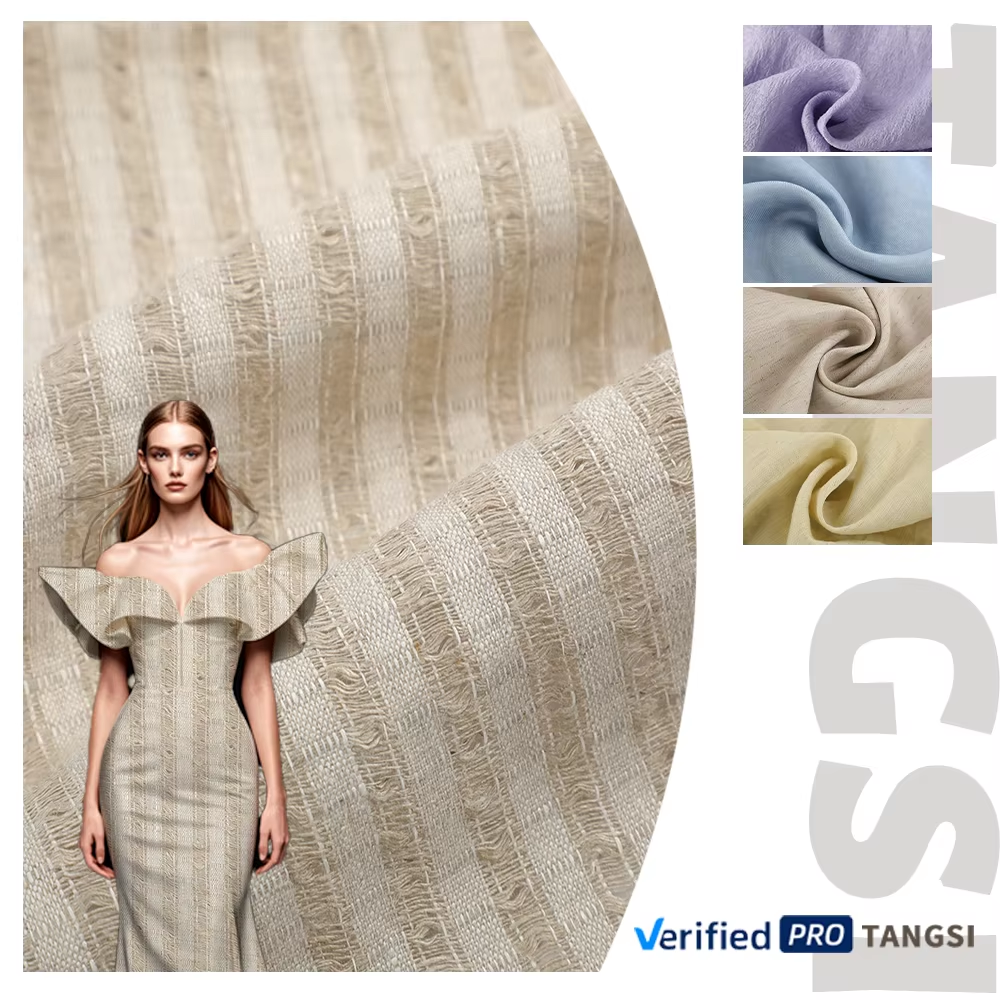
The Art and Science of Yarn Dyed Linen Production
Dyeing Fibers Before Weaving: How It Locks in Depth, Dimension, and Structural Integrity
When it comes to yarn dyed linen, the coloring happens way before any weaving takes place. Think of it as a careful process where each thread soaks up dye when heated up quite a bit. What makes this method special is how deeply the colors get into the actual fibers instead of just sitting on top. This creates those rich tones that look so good in fabric. Since we're dyeing first, there's no need for harsh chemicals after weaving which would weaken the material. That means the linen keeps its natural strength intact. Another cool thing? The color variations happen naturally as the dye gets absorbed differently across threads. These subtle differences give the fabric that authentic vintage look many designers love for high end home decor items.
Yarn Dyed Linen vs. Piece-Dyed Linen: Key Differences in Colorfastness, Texture, and Longevity
When comparing yarn dyed linen to piece-dyed options, there's simply no contest in terms of how they hold up over time. The color stays vibrant much longer because the pigments are worked into the actual fibers themselves. Most tests show these colors won't fade even after around 50 washes according to those AATCC standards folks track. What's interesting is that the fabric keeps feeling nice against skin too. Piece dyed versions tend to get pretty stiff after treatment since chemicals build up on the surface during processing. As far as lasting power goes, yarn dyed materials just don't break down like their counterparts do when exposed to sunlight or regular wear and tear. That's why top quality bed makers keep going back to yarn dye techniques for sheets meant to last generations instead of just a few years.
Aesthetic Distinction: Vintage Character, Tonal Variation, and Coastal Palette
Organic Unevenness as a Signature Trait: Why Natural Dye Absorption Enhances Authenticity
What makes yarn dyed linen so special is those little inconsistencies in color that happen naturally when each thread takes up dye differently before they get woven together. The colors shift around in ways that remind people of coastlines somehow - maybe blue like sea foam fading into the gray-brown tones of driftwood, or green similar to eucalyptus trees getting darker towards the edges of the fabric. These color changes aren't mistakes at all but actually show real craftsmanship. They stand out against the boring sameness of factory made stuff, which explains why more folks are looking for this kind of look in their homes lately. When light hits the fabric, it plays tricks on the eye because some parts took more dye than others, giving the material depth that regular fabrics just don't have. This whole effect keeps the traditional side of linen alive while making modern spaces feel grounded and elegant without being too flashy about it.
Proven Durability and Color Retention for High-Use Home Textiles
ASTM-Validated Performance: Wash Resistance, Lightfastness, and Fade Resistance in Yarn Dyed Linen
The durability of yarn dyed linen stands up to serious scrutiny through ASTM standards testing. Before weaving, the fabric gets saturated with dye that forms strong chemical bonds inside the flax fibers. This process gives the material remarkable resistance against washing, sunlight damage, and general wear over time. When put through wash resistance tests according to ASTM D2050-24 standard, these linens show minimal color fading - under 5% even after 50 heavy duty washes, which makes them great for bedding that needs frequent cleaning. Looking at lightfastness results from ASTM D4329 testing, we see around 90% color retention after being exposed to UV light for over 500 hours. That kind of performance means these fabrics hold up well in bright spaces like living rooms and dining areas where they catch lots of sunlight. Additional accelerated aging experiments reveal almost no deterioration comparable to what happens naturally over a decade in normal home conditions. What all this means is that yarn dyed linen isn't just something pretty for special occasions anymore. Instead, it becomes a reliable choice for everyday use, offering both lasting beauty and solid construction qualities.
Curating Timeless Interiors with Yarn Dyed Linen Bedding
Sheets, Duvet Covers, and Pillowcases: Balancing Luxe Texture, Subtle Tone, and Everyday Resilience
Yarn dyed linen changes what we think about bedding materials, turning them from just practical stuff into actual design pieces. When made properly, these linens keep their colors much better than regular ones because the dye goes right into the yarn before weaving. This means the natural variations in the fabric still show through, which adds character rather than hiding it. The look works great with beachy color combinations, simple modern styles, or pretty much anything else someone might want. What really stands out is how soft and pleasant the fabric feels when touched, but don't be fooled by that gentle texture. Independent tests show these linens hold onto their color pretty well even after being washed 50 times in commercial machines. For people who need bedding that lasts, this makes perfect sense for things like duvet covers and pillowcases that get handled constantly throughout the day. After a while, the sheets actually become more comfortable while staying strong enough to last years. This shows that real quality doesn't come from something fragile looking, but from good old fashioned workmanship that stands up to regular use.