
 EN
EN
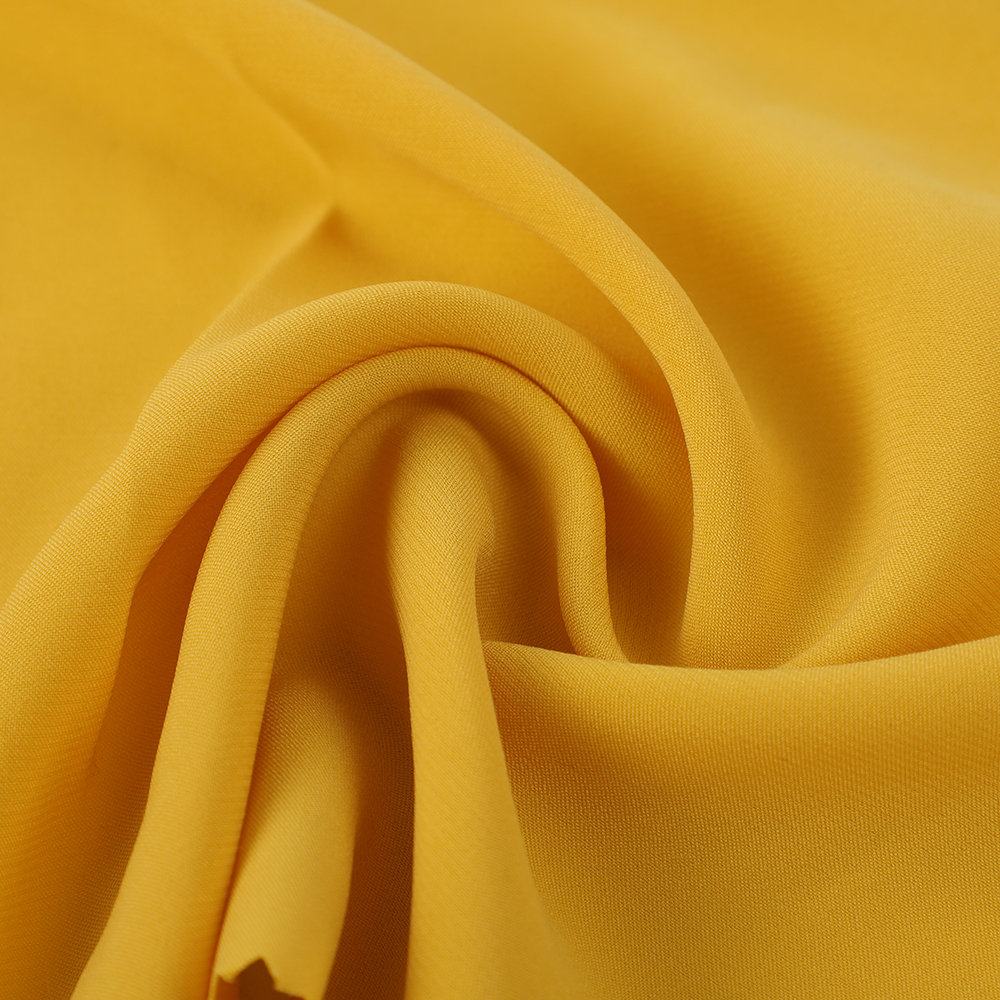
Why Polyester Twill Fabric Excels at Wrinkle Resistance
Twill Weave Structure: Interlacing Geometry That Distributes and Resists Creases
Twill weave's diagonal rib pattern makes clothes less prone to wrinkles because it spreads out stress in a smart way. Twill is different from regular plain weaves since it shifts the warp and weft threads systematically, which creates these little floating yarn sections that take the hit when there's mechanical strain instead of letting sharp creases form. When something gets compressed against the fabric, the pressure moves along those diagonal lines rather than bunching up at specific fold points. Textile engineers have found this can actually improve how well the fabric recovers from being squashed by about 40% over basket weaves. Plus, the way twill is constructed reduces fiber slippage, which is basically what causes those stubborn permanent creases everyone hates. That means clothing stays looking neat and crisp even after wearing it for days on end.
Polyester’s Molecular Backbone: High Elastic Recovery and Low Plastic Deformation
The reason polyester stays wrinkle-free has to do with how it's built at the molecular level. These fibers have this semi-crystalline structure that creates really strong bonds throughout the material. That makes them pretty tough against things that would normally leave permanent creases. Bending polyester? It just snaps right back into place much better than most natural fabrics we wear daily. Tests show something interesting too. According to ASTM standards, when compressed, polyester manages to recover about 85% of its original form compared to only around 60% for cotton. What sets polyester apart is how little it actually changes shape when stressed. Unlike those plant-based fibers made from cellulose, polyester molecules don't rearrange themselves under pressure. During production, manufacturers apply heat treatment that lines up all those long polymer strands neatly. This process helps keep shapes intact longer and also means polyester doesn’t soak up as much water. And since it repels moisture so well, there’s no chance of hydrogen bonds breaking down in damp environments where wrinkles typically form.
Key Performance Benefits of Polyester Twill Fabric Beyond Wrinkle Resistance
Durability Metrics: Tensile Strength, Abrasion Resistance, and Long-Term Shape Retention
Polyester twill offers really good structural properties that save money in the long run. This material can handle about double the number of abrasion tests compared to regular cotton blends without losing its surface quality. The special diagonal weave pattern spreads out mechanical stress across those polymer strands, which means the tensile strength is roughly 65% better than standard woven fabrics. Factory workers who wear uniforms made from polyester twill often notice they last around 40% longer before needing replacement. That’s because of how strong the molecular structure is and how well the fabric snaps back to shape after getting stretched or compressed during daily wear. Plus, these garments keep their proper fit and hang nicely on the body throughout countless washes and wears.
Environmental Stability: Moisture Wicking and Minimal Shrinkage Under Humidity or Wash Cycles
The way polyester twill is built with those hydrophobic polymers makes it really good at pulling moisture away from the body. Tests show it moves sweat off the skin about half as fast again compared to cotton or other natural fibers, which means people stay more comfortable when working out or moving around a lot. Plus, since it doesn’t hold onto moisture, there’s less chance of bacteria growing on the fabric. When we tested how much it shrinks over time using accelerated washing cycles that simulate what happens after five years of regular laundry, the results were pretty impressive. Shrinkage stayed under 1.5%, so uniforms keep their proper fit even after lots of wear and washing. And here’s something else worth noting: unlike fabrics that soak up water, polyester twill doesn’t change size much no matter what the weather throws at it. We’ve seen it maintain its shape and performance from freezing cold conditions down to really hot environments, making it ideal for workers who deal with changing climates throughout their day.
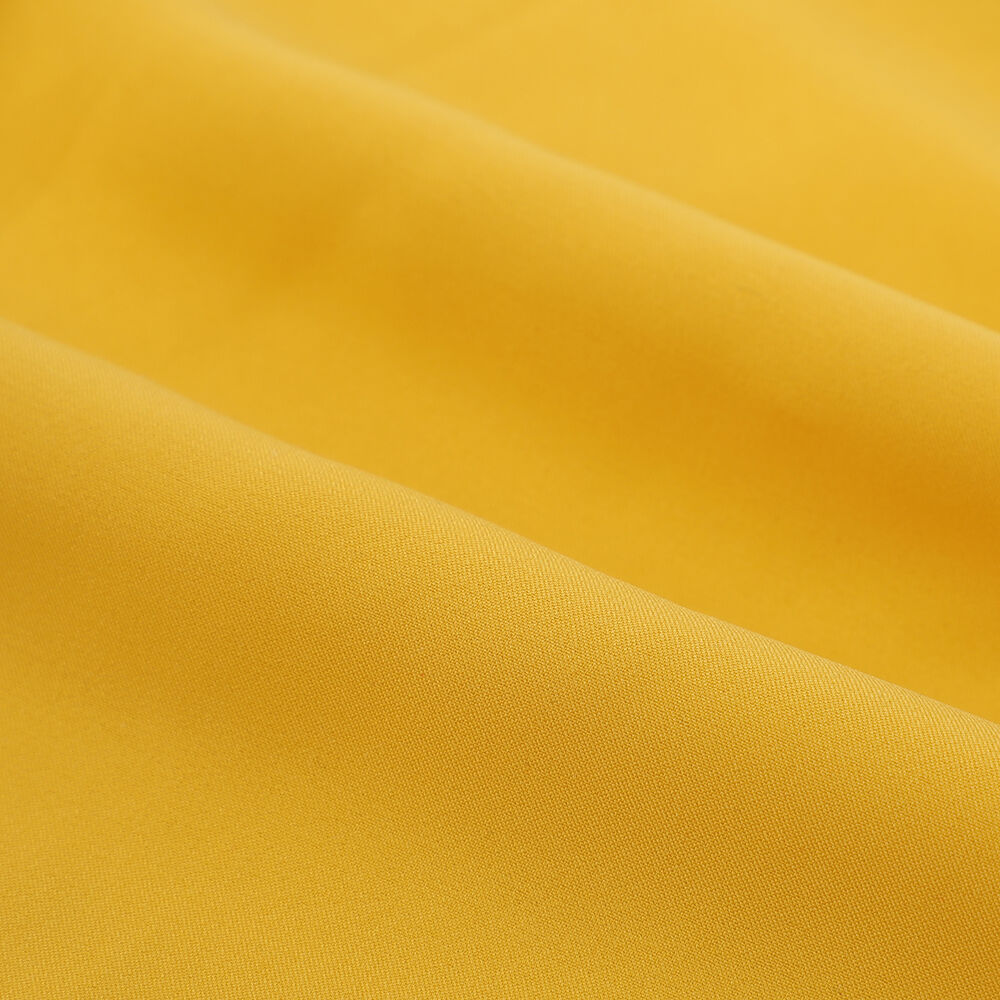
High-Value Applications Powered by Polyester Twill Fabric’s Wrinkle Resistance
Professional Workwear and Corporate Uniforms: Cutting Ironing Costs While Maintaining Brand Image
Corporate apparel programs get a major boost from polyester twill because it cuts down on daily ironing almost completely. Companies across industries like hospitality, healthcare, and logistics are seeing their garment care expenses drop between 50 to 70 percent according to Textile Care Association data from last year, all while still meeting appearance standards. The fabric just doesn't crease easily during long periods of sitting or traveling, so collars stay neat and seams remain crisp even after 12-hour workdays. Take one mid-sized hotel group as an example they took around $180,000 that used to go toward those 300 annual ironing hours per staff member and redirected it towards improving guest experiences instead. Plus, when employees look professionally dressed throughout their shifts, especially in positions where customers can see them, there’s a clear link between how sharp uniforms appear and what people think about the overall service quality. Polyester twill lasts about 40 percent longer than regular cotton fabrics too, which means businesses spend less money replacing clothes over time without having to worry about looking disheveled.
Polyester Twill Fabric vs. Alternatives: Objective Performance Comparison
Wrinkle Recovery Angle (WRA) Data: ASTM D1238 Benchmarks Against Cotton Twill and Polyester-Cotton Blends
Testing according to ASTM D1238 shows that polyester twill has excellent wrinkle resistance measured by something called Wrinkle Recovery Angle or WRA for short. WRA basically tells us how well fabric can bounce back to its original look after getting crumpled, with bigger numbers meaning better performance. Polyester twill regularly gets WRA scores over 280 degrees, way ahead of cotton twill which only reaches around 150 to 170 degrees, and even beating out those common 65/35 polyester cotton blends at 200 to 220 degrees. The reason polyester does so much better? It combines the natural stretchiness of polyester fibers with the special diagonal pattern of twill weaving that spreads out stress across all those interlocked threads. When looking for fabrics that need little care and attention, these test results make it pretty clear why polyester twill stands out as the best option technically speaking.