
 EN
EN
Why Plain White Linen Is the Cornerstone of Minimalist Decor
How plain white linen embodies core minimalist principles: simplicity, intentionality, and restraint
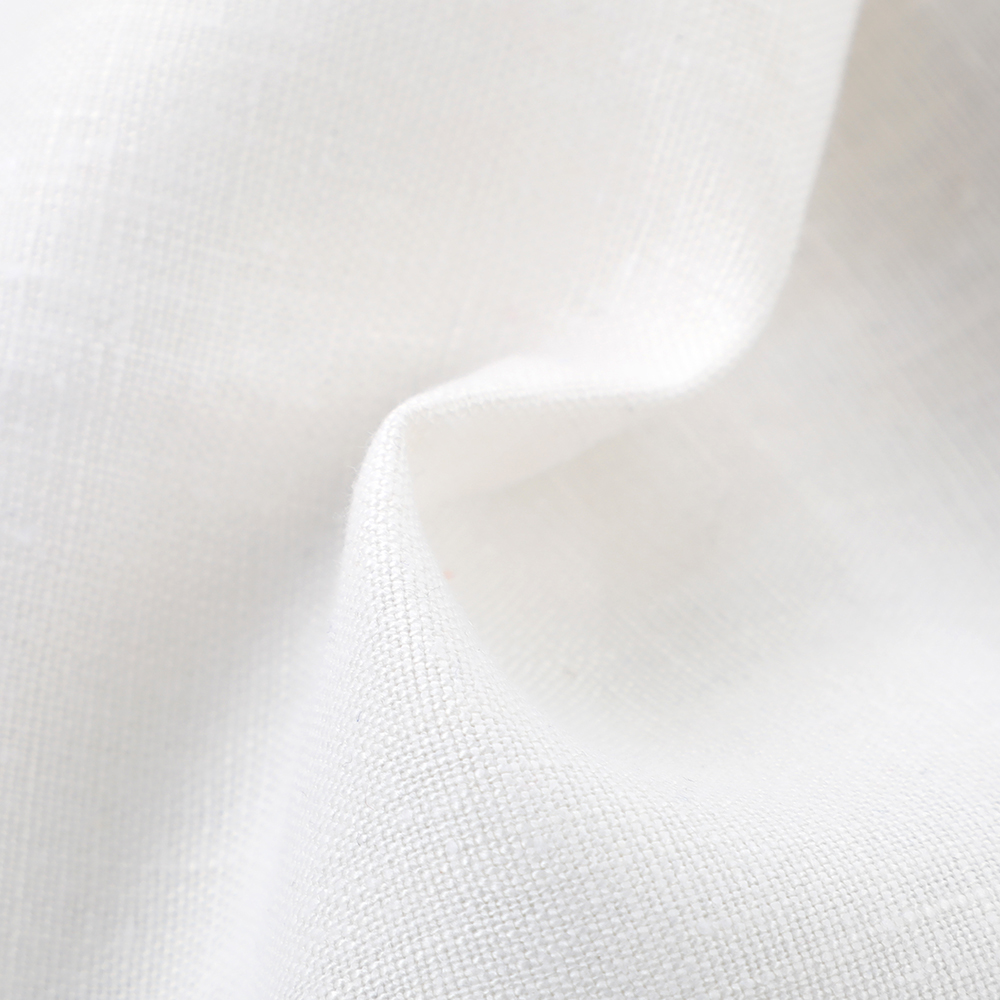
White linen takes minimalism to its extreme, basically just fabric stripped down to basics with no patterns, colors, or fancy stuff added. What makes it special is how it doesn't demand attention visually, which actually helps clear the mind and brings some peace. Those little bumps and uneven spots in the weave? They're not mistakes at all. Instead, they tell a story about real materials versus factory perfection. People who care about what their clothes are made of tend to appreciate these natural characteristics. From a practical standpoint, linen fits right in with minimalist values too. It breathes well, doesn't need much care, and gets better looking as it ages instead of falling apart. Synthetic fabrics need constant washing and ironing, but linen handles itself pretty well. Just put it on and let it do its thing without all the extra fuss.
Functional and sensory benefits—breathability, natural texture, and luminous light diffusion
White linen sheets really do offer something special when it comes to comfort, and science backs this up. The flax fibers have these little hollow spaces inside them that let air move through better than most fabrics. This helps keep things cool during summer nights and not too hot in winter, which matters a lot if someone lives somewhere with lots of humidity. Touch-wise, there's a subtle texture to linen that feels nice against skin but doesn't look rough or scratchy on top. People often mention how linen bedsheets create this soft diffusion of light across rooms at night, cutting down harsh reflections while still letting enough illumination through so folks can see what they need to without turning on bright overhead lights. Studies show people actually sleep better with natural fiber bedding like linen compared to polyester stuff, getting about 18 percent more efficient rest according to some research. So yes, choosing linen isn't just about looking good in bed, it's got real benefits backed by actual data from scientists who study sleep patterns.
Curating a Cohesive Neutral Palette Around Plain White Linen
Harmonizing with tonal neutrals—cream, oat, stone, and soft grey—for depth without contrast
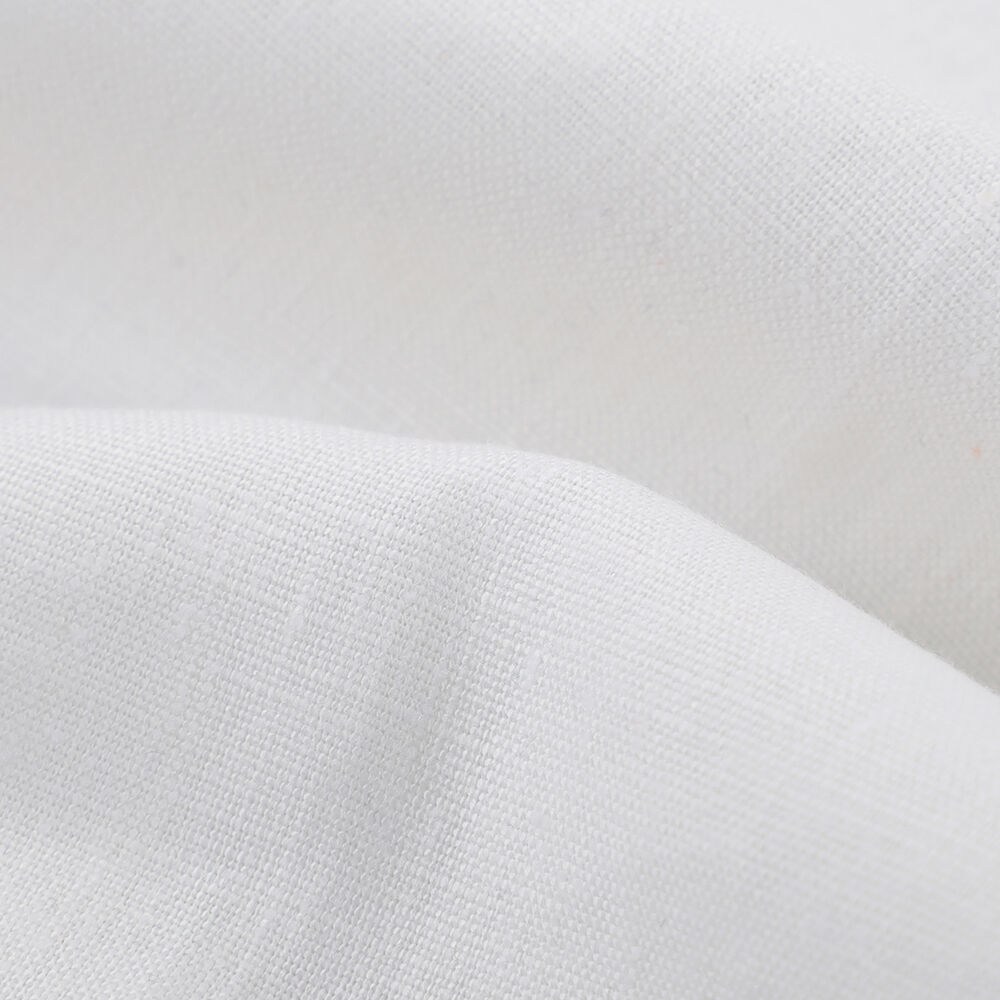
When it comes to interior design, a neutral color scheme actually adds depth through subtle differences rather than bold contrasts. Think about layering different shades - maybe some creamy tones for warmth, those earthy oat colors for softness, cool stone hues for mineral depth, and gentle greys that help everything flow together. These colors should stay pretty close to each other on the spectrum, maybe only varying around 10% from pure white. Keeping things restrained lets simple white linen stand out as the main element, while small changes in color temperature bring in that sophisticated feel we all want. Instead of going crazy with bright colors, focus on how materials feel against our skin. Try putting a rougher stonewashed linen comforter over softer oat colored bedding, or draping a thick wool blanket across smooth white pillows. The way these textures interact makes spaces interesting without overwhelming the senses. And guess what? Studies from the Wellbeing Design Institute back this up, showing people who live in rooms with lower contrast colors actually have 17% less stress hormones running through their systems.
Selecting furniture and decor in natural materials and muted finishes to extend calm
When choosing furnishings, think about how they might reflect the understated quality of linen itself. Look for things like oak furniture that shows its natural grain patterns, stoneware that hasn't been glazed, wool rugs that retain their original color, and metal fixtures with a matte finish rather than shiny ones. The beauty of these materials is that they get better with time. Instead of showing signs of wear, they develop a nice patina that adds depth and character without being showy. Don't go for anything too reflective. Matte paint works wonders, as does brushed brass and unfinished wood. These choices spread light around the room more naturally, keeping everything feeling peaceful. Focus on simple shapes, hidden storage solutions, and furniture designed for specific purposes. No fancy decorations, no extra stuff lying around. When done right, this careful selection creates a space that feels like one complete package. Take plain white linen for instance it becomes much more than just sheets on the bed it actually anchors the whole look. According to some recent research from Design Harmony in 2023, most successful minimalist spaces (about 72%) stick to this approach of neutral materials working together. It's not just following a fad anymore, people have found through experience that this kind of design really does help maintain a sense of calm over time.
Deepening Serenity: Natural Elements That Elevate Plain White Linen Spaces
In a minimalist space, organic elements do more than just look nice they actually support well being. Plants in pots or dried flowers artfully placed around the room can really soften those hard architectural lines. Plus studies show these green additions help clean the air and reduce stress levels by about 15% according to some research published last year in environmental psychology journals. Wooden accents bring warmth to what might otherwise feel too cold. Think of that oak table with all its natural grain patterns or maybe a rattan lamp made by hand somewhere local. Stone bowls or simple ceramic vases with just one flower stem create calm spots throughout the space. What makes all this work so well is how it ties back to sustainability principles. Using reclaimed wood, clay fired nearby, or certified sustainable rattan isn't just about style it's about making conscious choices that matter. These materials connect us to nature even when we're sitting inside our homes, creating spaces that feel genuinely restorative instead of just aesthetically pleasing.