
 EN
EN
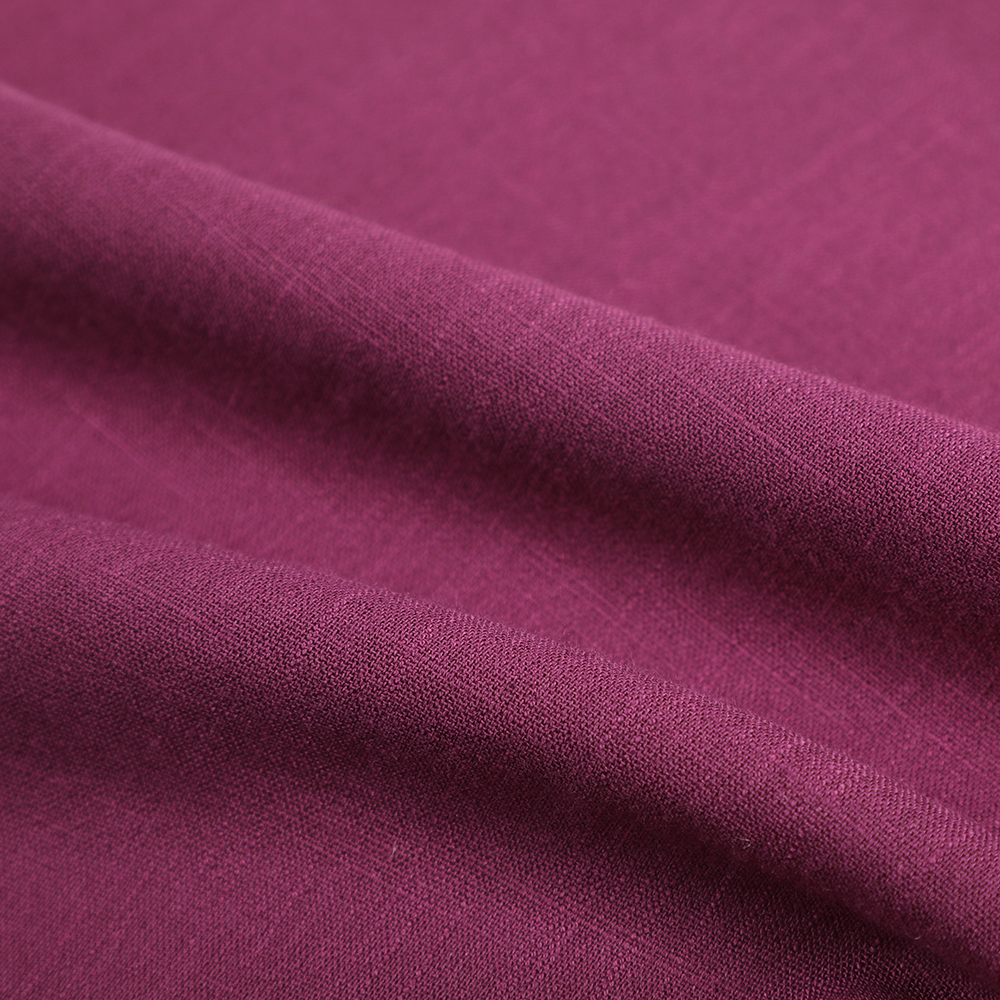
Why Viscose Blend Dominates Modern Fashion and Home Textiles
Superior Drape, Softness, and Breathability Across Applications
Blends with viscose offer incredible comfort because of how they drape over the body and feel so nice against the skin. Many people actually find them more comfortable than some natural fibers when it comes to how they feel on the skin and how long they last. The reason? Viscose has a special cellulosic structure that soaks up moisture really well, about 13 percent better than regular cotton does. Plus, these fabrics don't stick to the skin and stay cool even when worn for extended periods, making them great choices for those light summer dresses or workout clothes that need to breathe. What's interesting is that this same property helps colors look brighter and lasts longer after multiple washings, which means clothes just tend to look newer for longer time. When we talk about home decor items like curtains or furniture covers, viscose blends create beautiful flowing drapes that don't droop down over time. Upholstery made from these materials remains springy and light feeling despite constant use. Compared to stiffer options available in the market today, viscose adapts nicely to our bodies when worn as clothing and maintains its shape in things like pillow covers without losing that important breathability factor.
Seasonal Adaptability: From Lightweight Summer Dresses to Lined Drapery Fabrics
The ability of viscose blends to regulate temperature makes them really versatile throughout all seasons. When made from pure viscose, these fabrics create super light clothing perfect for hot summers because they let body heat escape so well. Mixing things up works wonders too - adding wool gives extra warmth when needed, while polyester helps keep everything stable. That's why we see these blends showing up in everything from light jackets to heavy coats depending on what time of year it is. For home decor, think about those delicate viscose curtains that gently filter sunlight during warm months but can easily be lined with something thermal once winter rolls around. Another great feature? They dry fast which means no mold problems even in damp areas, making them last longer across different weather conditions. Take brushed viscose-polyester combinations as just one case study. These materials mimic the cozy feel of velvet without breaking the bank, proving that smart textile innovations actually solve real world problems related to climate and everyday functionality.
Key Performance Advantages of Viscose Blend Fabrics
Enhanced Durability and Wrinkle Resistance via Strategic Fiber Pairing
Blending viscose with synthetic fibers like polyester creates a balanced fabric that overcomes viscose's traditional limitations. The polyester component provides structural stability and wet strength—preserving shape during laundering and in humid environments—while viscose contributes its signature drape and softness. This synergy delivers measurable performance gains:
- 80% less creasing compared to pure viscose
- 45% longer fabric lifespan, thanks to reduced fiber fatigue
- Effortless maintenance through resistance to deformation and shrinkage
Moisture Management and Skin-Friendly Properties in Activewear and Bedding
The cellulose foundation of viscose means it can regulate humidity actively, soaking up around 400% of its own weight in water yet still feels dry to the touch. Mix this natural material with synthetic fabrics that pull sweat away from the body, and we get something pretty special. The combination helps moisture evaporate faster without sticking to skin, which is why activewear brands love using it. It also works wonders for bedding materials since it stops those uncomfortable hot spots from forming overnight. Being made from plants, viscose naturally has a balanced pH level and doesn't irritate most people's skin. Some recent tests showed this actually cuts down on skin reactions by about two thirds among folks with sensitive skin conditions.
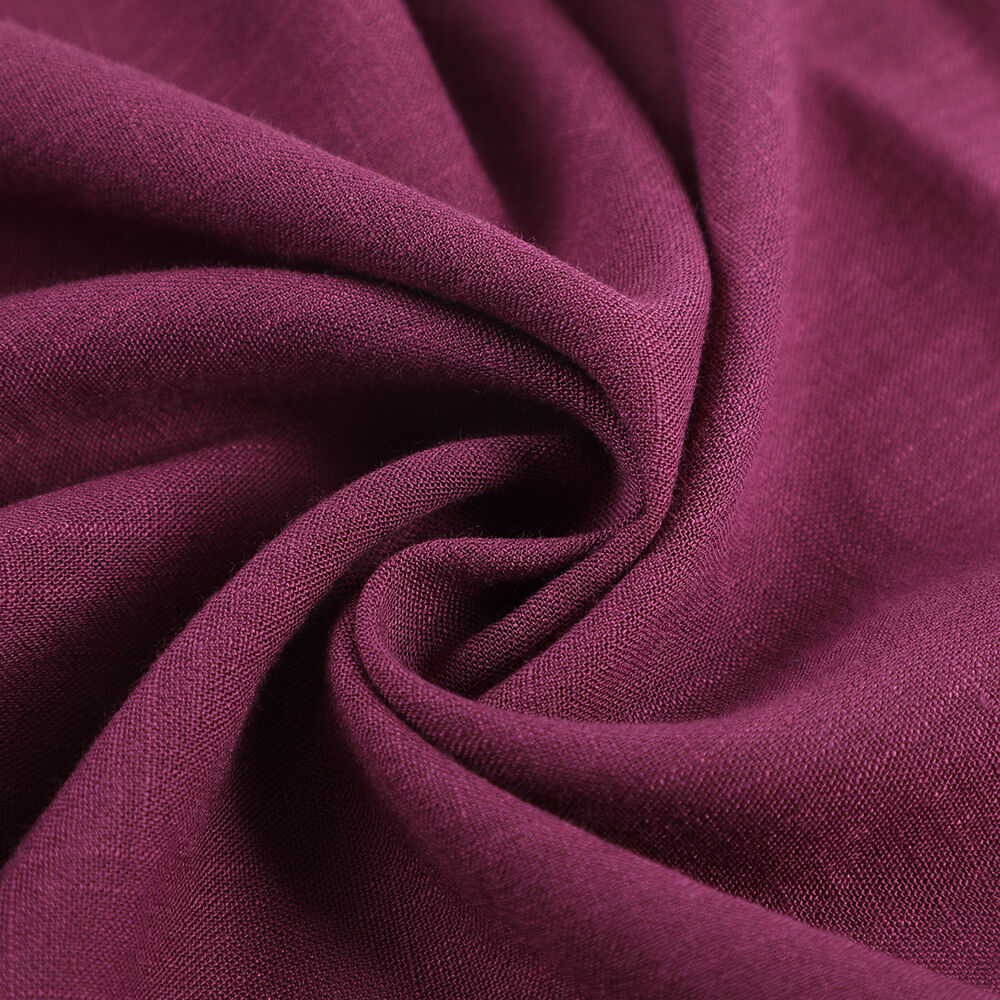
Sustainability Realities and Responsible Sourcing of Viscose Blend
Certified Alternatives: TENCEL™ Lyocell, EcoVero®, and FSC-Certified Viscose
The way we source materials is changing how bad viscose blends are for the environment. Big name companies are starting to look for better options these days. Take TENCEL™ Lyocell for instance, this stuff comes from a system where they basically recycle 99% of the solvents used in production. Then there's EcoVero®, which uses wood pulp that can be tracked back to sustainable forests and causes about half as much damage compared to regular viscose. And don't forget FSC certified viscose either, since it makes sure no trees were cut down illegally for the fibers. All these new approaches help cut down on chemicals going into our waterways and fit right in with what regulators are pushing for, especially those new rules coming out of Europe soon. Still, most of the world's viscose production doesn't meet even basic green standards at the moment, so certifications matter a lot when looking at clothes or household textiles made with these fibers.
Balancing Environmental Impact: Water Use, Energy, and Closed-Loop Processing
The old way of making viscose takes a huge toll on resources. We're talking about something like 500 liters of water for every single kilogram of fiber produced. But there's good news too. Closed loop systems can slash this water usage by around 80 percent while also capturing and reusing those processing chemicals. When it comes to energy, things look better as well. Lyocell production actually consumes about 40% less energy compared to conventional viscose methods. Smart companies today are focusing on three main areas. First, they implement water recycling right at their facilities. Second, many switch to green power sources during the spinning and finishing stages. And third, they keep track of their emissions openly. The results speak for themselves. Top players in the industry have managed to reduce their carbon footprint by as much as half. This shows clearly that being environmentally responsible doesn't mean sacrificing business growth anymore.