
 EN
EN
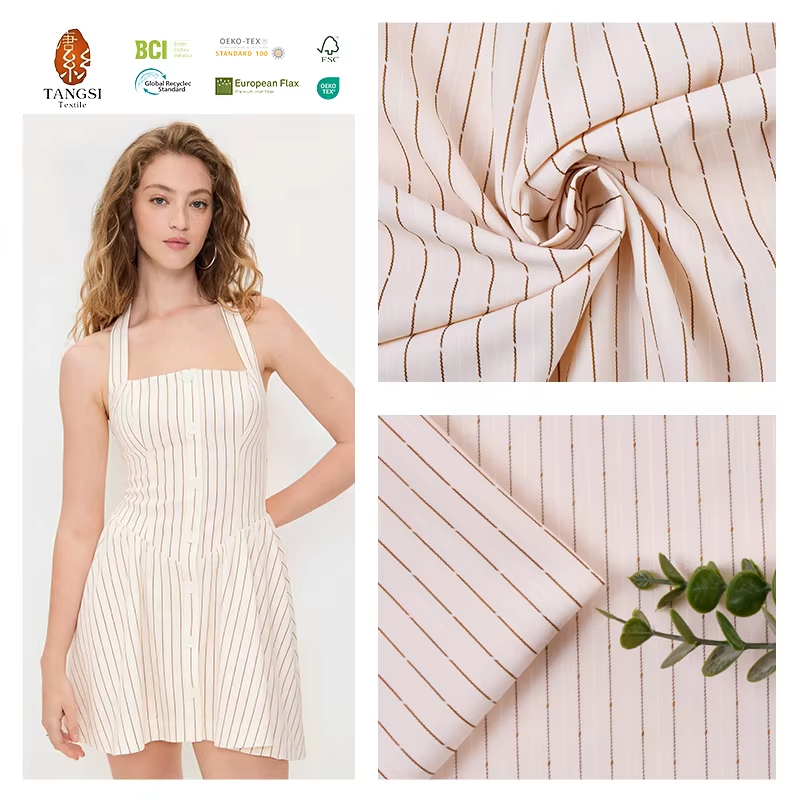
Color Psychology and Cultural Context in Dyed Woven Fabric
Emotional and perceptual impact of core hues on garment identity and wearer perception
The way we feel about colors has a huge effect on what dyed woven fabrics mean to us and how people see those who wear them. Different basic colors make us react in specific ways. Blues tend to make folks feel calm and trustworthy. Red gets our hearts racing and makes us want to take action. Green, which reminds most people of nature, brings peace and relaxation. Our brains naturally respond to these colors, but culture also plays a big role in shaping our associations. Fashion designers know this when picking out colors for their fabrics. A bright yellow dress screams creativity because it feels warm and inviting, whereas charcoal grey business suits scream seriousness and competence. How intense a color is matters too. Soft pastel shades tone things down, while flashy neon colors grab everyone's attention immediately. Brands understand this well. They carefully pick their color palettes knowing that consistent color choices help customers remember them better and build stronger connections over time. Colors tell stories without saying a word in the world of fashion.
Cultural symbolism across global textile traditions and implications for international dyed woven fabric sourcing
Global sourcing of dyed woven fabric demands acute cultural color awareness, as symbolic meaning varies dramatically by region:
| Region | Symbolic Color Meaning | Sourcing Consideration |
|---|---|---|
| Western | White = purity, weddings | Avoid for mourning-themed collections |
| East Asian | Red = prosperity, joy | Ideal for festive garments |
| Middle East | Green = Islam, nature | Respect religious significance |
| South Asia | Yellow = sacred, merchants | Contextual use for spiritual wear |
The connections between colors and meanings go back generations in textile traditions. Take indigo dyed fabrics as just one case study they represent wisdom among many West African communities, though this symbolism doesn't always translate across borders. Global companies really need to check local interpretations of colors before jumping into production runs. Consider purple dresses again those same garments worn with pride by European royalty become symbols of grief when worn in Thailand. Getting this right from the start saves mountains of money down the road and creates genuine trust with customers who see brands actually understanding their culture instead of just selling products blindly into different markets.
Dyeing Techniques That Define Color Quality in Woven Fabric
Piece dyeing vs. yarn dyeing: color consistency, pattern integrity, and suitability for fashion-grade dyed woven fabric
Piece dyeing immerses finished fabric in dye baths, delivering efficient, uniform solid hues—but dense weaves risk uneven saturation. Yarn dyeing colors threads before weaving, preserving intricate patterns with exceptional fidelity: studies show 98% color consistency for plaids and checks (Textile Research Journal, 2023). For fashion applications:
- Yarn dyeing is optimal for patterned dyed woven fabric like tartans and jacquards
- Piece dyeing suits high-volume solid-color production (e.g., shirting, linings)
- The key trade-off lies between pattern integrity and batch speed
| Technique | Color Uniformity | Pattern Fidelity | Best For |
|---|---|---|---|
| Yarn Dyeing | High | Exceptional | Jacquards, tartans |
| Piece Dyeing | Moderate | Limited | Solid shirting, linings |
Digital printing and sublimation: precision, batch flexibility, and eco-efficiency for modern dyed woven fabric production
Digital printing along with sublimation techniques allow for incredibly accurate color application, making them great for producing small runs down to around 10 yards which works well when creating collections that need to keep up with fast changing trends. With sublimation, the dye actually becomes part of the synthetic fabric at a molecular level, resulting in those super detailed prints we see these days. Plus it uses about 40 percent less water compared to older methods according to some recent research. According to Sustainable Textiles Review from last year, both approaches reduce chemical waste by roughly 60%. They also save time since there's no waiting around for screens to change between colors, something that really matters in production settings. And manufacturers can now reach into a much wider range of colors through Pantone standards than what was possible before with traditional printing technologies.
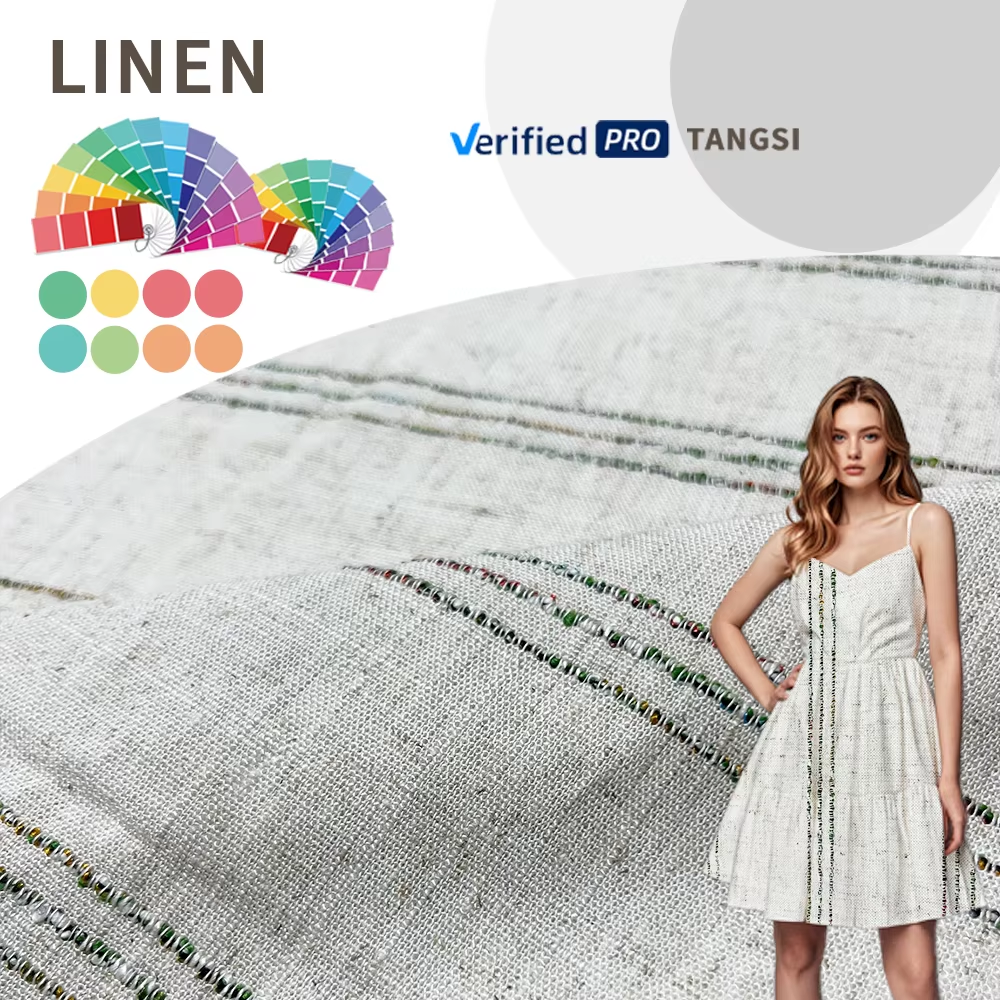
Fiber Composition and Its Direct Influence on Dye Uptake and Final Color in Woven Fabric
Cotton, polyester, and key blends: comparative dye affinity, wash/light fastness, and saturation limits in dyed woven fabric
The hydrophilic nature of cotton allows it to soak up reactive dyes pretty fast, which gives those bright, rich colors we all love. However there is a catch. The fixation isn't so great, leading to wash fastness ratings around AATCC 3 to 4. When exposed to light, these cotton fabrics tend to lose their color intensity about 20% quicker compared to synthetic materials. Polyester tells a different story altogether. It needs those high temperature disperse dyes, but what it lacks in quick uptake it makes up for with better wash fastness ratings between 4 and 5, plus good UV resistance. The downside? Without chemical carriers, the color saturation only reaches about 90%. For blended fabrics such as poly-cotton combinations, manufacturers have to work with two separate dye systems. Cotton grabs onto dye rapidly while polyester takes its sweet time absorbing, which can lead to patchy results if not carefully controlled through proper protocols. Getting this balance right means matching cotton's vibrant qualities with polyester's durability characteristics, something textile producers must master to ensure their finished woven products maintain consistent appearance and quality after repeated washing cycles.
Strategic Palette Development Aligned with Market Trends and Technical Realities
Creating color palettes that work in the marketplace for dyed woven fabrics means finding balance between what looks good and what works technically. Design teams spend months tracking what shows up at fashion weeks around the world plus crunching numbers on what consumers actually buy. They also need to know how different fibers behave when dyed. Cotton and polyester take up color differently, which creates headaches for anyone trying to get consistent results. Getting that same blue across multiple fabric blends usually means mixing incompatible dyes or adjusting soak times, leading to inconsistent shades and wasted stock. Smart companies are starting to build their palettes differently these days. Most have a base of neutral tones that stay constant season after season, then layer in trend-focused colors that can be swapped out quickly based on what's hot right now. Some manufacturers even use software that predicts how colors will look once processed, checking against real lab tests for things like fade resistance and durability. This whole system cuts down on having to redo batches, saves water in production, and makes sure finished products look great while still holding up to regular wear and tear. What was once seen as just a cost issue is becoming a real edge in today's unpredictable markets.