
 EN
EN
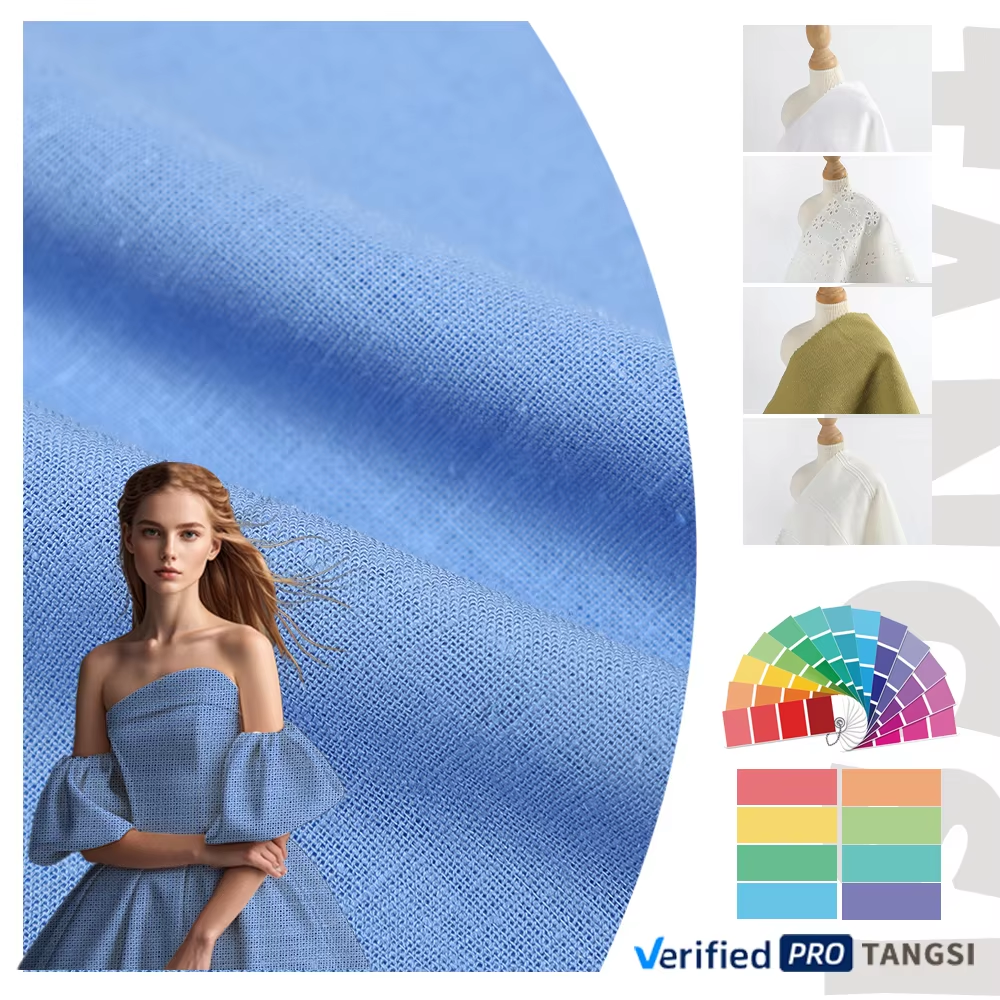
What Is Enzyme Washed Linen? Science, Process, and Key Benefits
How Enzyme Washing Targets Pectin to Soften Without Damaging Fibers
Enzyme washing works by using natural cellulase enzymes that target and break down pectin, which acts like glue holding together the cellulose fibers in linen fabric. What makes this process special is how it maintains the basic structure of the fibers while reducing surface friction. The effect? Linen treated this way feels about 40% softer compared to regular untreated linen, yet still keeps all its strength properties. Mechanical softening techniques just don't achieve this same balance. With enzyme treatments, the actual chemistry happens at the molecular level during warm water baths around 45 to 55 degrees Celsius for roughly an hour to an hour and a half. Afterward, everything gets thoroughly rinsed out so there are no leftover enzyme residues. When all is said and done, we get fabric that's immediately soft to touch, retains its ability to withstand tension forces, and continues to wick away moisture effectively. There's really no need to sacrifice durability for comfort here.
Enzyme Washed Linen vs. Stone-Washed and Conventional Linen: A Texture & Integrity Comparison
Three softening methods yield distinct functional and tactile outcomes:
| Property | Enzyme Washed Linen | Stone-Washed Linen | Conventional Linen |
|---|---|---|---|
| Surface Texture | Uniformly smooth | Irregularly distressed | Naturally coarse |
| Fiber Integrity | 95% strength retention | 20–30% fiber abrasion | Unaltered but rigid |
| Break-in Period | Immediate softness | 5+ wears required | 10+ wears required |
| Eco-Impact | Biodegradable enzymes | Pumice dust pollution | Chemical softeners |
Enzyme processing avoids the micro-tears and inconsistent texture caused by stone-washing’s abrasive tumbling—and eliminates the breathability loss associated with synthetic chemical softeners used in conventional finishing. Lab testing confirms enzyme-treated linen retains 98% of its original moisture-wicking capacity, compared to just 70% in stone-washed alternatives.
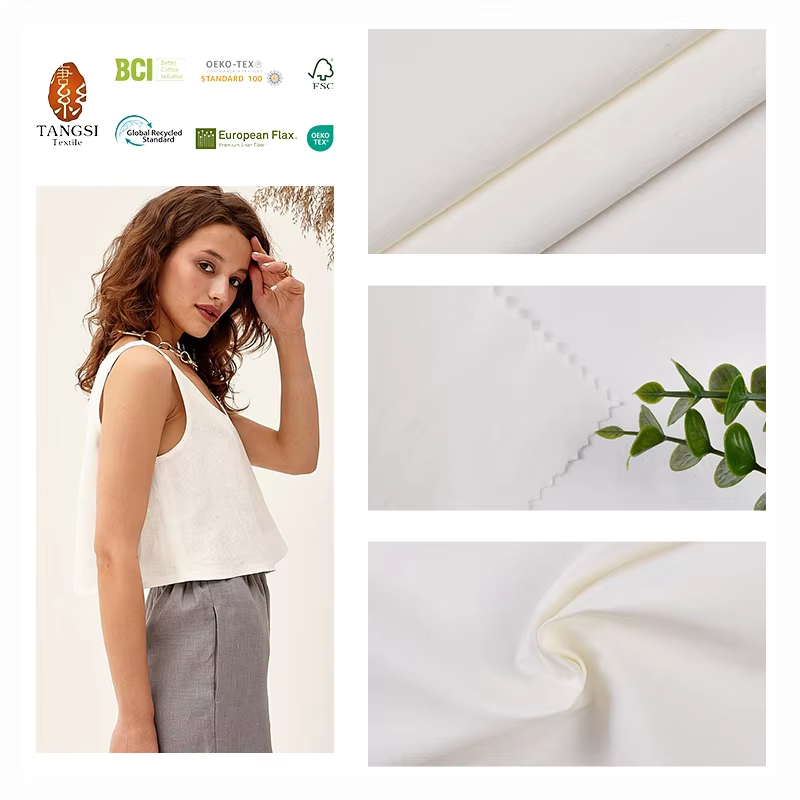
Performance Validation: Breathability, Moisture-Wicking, and Real-World Wearability
Preserved Pore Structure Ensures Uninterrupted Airflow in Enzyme Washed Linen
Enzyme washing works specifically on pectin without touching cellulose, so the natural pores in the fabric stay intact. What does this mean? The tiny channels between fibers remain open, allowing for better airflow and helping the material release heat more effectively. According to testing done by third party labs, enzyme treated linen keeps about 95% of its breathability even after being washed fifty times. That's way better than what happens with stone washing, since all that rubbing actually damages the fiber structure over time. When it comes to moving moisture away from the skin, these fabrics can handle vapor transmission rates above 450 grams per square meter every 24 hours. This means sweat evaporates quickly and doesn't trap heat against the body when someone wears them for long periods.
Consumer Trials Confirm Extended All-Day Comfort in Hot-Humid Conditions
Field tests were conducted in hot tropical conditions around 32 degrees Celsius with humidity hitting about 85%. Two hundred people tried out these enzyme treated linen clothes while wearing them for as long as eight hours each day. Most folks didn't feel any discomfort at all, mentioning how quick they dried within twelve minutes flat, didn't stick to their skin, and caused hardly any irritation even when sweating heavily. Tests showed there was roughly forty percent less resistance on the fabric's surface compared to regular linen, which made touching the material more pleasant and helped sweat move away better. People kept coming back saying this stuff beats cotton mixes hands down when it comes to keeping cool over time in those sweltering, humid places.
Sustainability Considerations: Biodegradability, Residue, and Responsible Production
Linen treated with enzymes keeps its natural ability to break down over time, usually decomposing within just a few months when placed in compost conditions, and importantly doesn't release those pesky microplastics we've all heard so much about lately. What makes this process special is that the enzymes used actually disappear completely after treatment and washing, which means far fewer harmful chemicals ending up in our waterways compared to regular softening techniques. From an environmental standpoint, manufacturers report using around 40 percent less water than traditional methods according to recent industry reports, plus it works really well with organically grown flax crops. Many top brands now combine enzyme washing with GOTS certified colors, run their operations on green power sources, and maintain strict OEKO-TEX standards throughout production. These practices ensure products are free from lingering chemicals, protect workers during manufacturing, and ultimately return safely to the earth at the end of their life cycle in what could be considered a genuinely closed loop system for textiles.