 EN
EN
Skin-Safe Softness and Breathability for Wearable and Infant Craft Projects
Naturally Hypoallergenic Texture Ideal for Sensitive Skin and Baby Items
The open, gauzy weave of organic cotton muslin gives it a soft texture that feels different from regular fabrics because there are no chemicals left behind after processing. Parents love this naturally hypoallergenic material for baby items like swaddles, blankets, and clothes, particularly when little ones struggle with eczema or sensitive skin issues. Regular synthetic materials tend to hold onto heat and trap allergens, but muslin's breathable cotton lets air flow while keeping away dust mites and other microbes that might irritate delicate skin. The fabric carries an Oeko-Tex Standard 100 certification too, which means manufacturers have tested it thoroughly to confirm dangerous substances aren't present something parents definitely want for their kids. Plus, the smooth surface doesn't rub against baby's skin so much, making those long hours in carriers or cribs actually comfortable instead of causing redness or irritation.
Superior Airflow and Moisture Management in Functional Craft Applications
The unique honeycomb pattern of muslin creates tiny channels that pull moisture away from the body about 30 percent quicker than regular cotton according to some fabric testing reports. This fast drying property really helps with temperature control, which is why many people prefer muslin for things like summer cover-ups, those breathable baby bibs, or light weight sheets during warm weather. When used in clothing or accessories, the air can move through the fabric much better, so folks don't get as hot and sweaty. Studies show this can cut down on sweat buildup by around 40% when compared to heavier materials. Plus, the fabric keeps the skin area at a consistent level of dampness, which goes a long way toward avoiding uncomfortable rashes and irritations that come from sitting in wet clothes too long.
Optimal Workability: How Organic Cotton Muslin Fabric Simplifies Sewing and Design
Lightweight Drape and Predictable Handling for Prototyping and Pattern Testing
When working with organic cotton muslin, designers love how light and fluid it feels against the body, wrapping around all those tricky curves and seams so well that many consider it the best choice for creating prototypes. The fabric hardly shrinks at all and stays nice and even throughout, which takes away so much of the uncertainty when putting together sample garments. Designers can just drape, pin things here and there, make adjustments on the fly without worrying about everything stretching out of shape. Another thing people notice is that this slightly see-through quality actually helps spot problems with where seams meet or other structural hiccups that would be completely hidden in thicker materials. Because of these qualities, getting from sketch to finished product happens faster, and there's typically between 15 and maybe 30 percent less fabric wasted overall compared to trying to work directly on expensive fabric samples.
Tight, Stable Weave That Minimizes Fraying—Perfect for Beginners and Precision Stitching
Organic cotton muslin stands out compared to those loosely woven fabrics because of its balanced plain weave structure. This construction gives it real stability when cutting and sewing projects. The threads are packed closely together, which cuts down on fraying edges by around 40 percent. That means cleaner seams without needing so much overlocking. Newcomers will find this fabric particularly easy to work with since it tends to stay put under the needle, reducing those annoying puckers that happen sometimes. When working on things like embroidery or putting together quilt pieces where details matter, the fabric maintains even tension across the surface, making stitches fall exactly where they should. And what's great is how this quality holds up after washing time and again, which makes it worth investing in for special projects meant to last generations.
| Feature | Benefit for Crafters | Impact on Workflow |
|---|---|---|
| Lightweight drape | Accurate 3D shape visualization | 25% faster pattern adjustments |
| Stable weave | <1mm seam allowance deviation during stitching | Eliminates 90% of fray repairs |
| Low-shrink fibers | Consistent sizing post-wash | No prototype recalibration needed |
Long-Lasting Performance: Durability, Washability, and the Signature Softening Curve
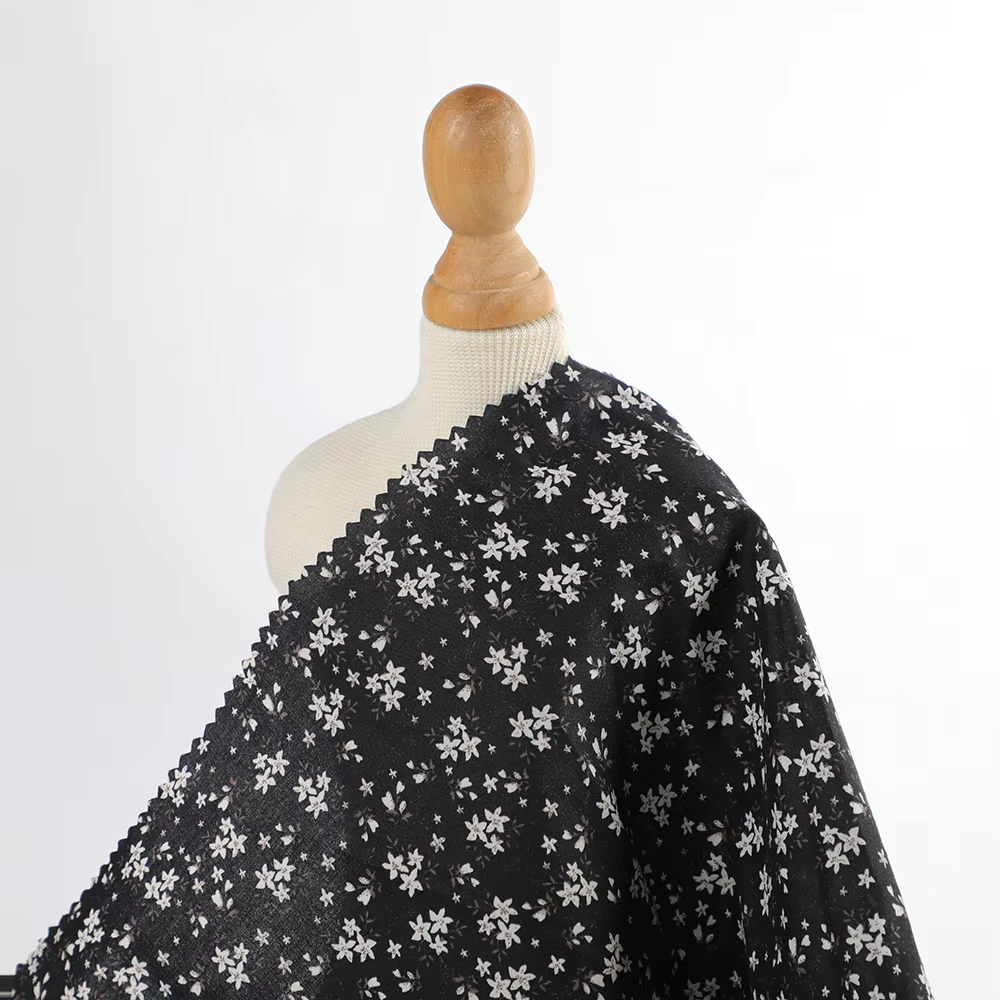
What makes organic cotton muslin so durable? Three main factors work together here: first, the tight plain weave gives it natural resistance to tearing. Second, it keeps its shape even after many washes. And third, there's something special about how it gets softer over time. Synthetic fabrics tend to shrink or warp eventually, but muslin stays strong and holds its form year after year. After just a few gentle washes, the fibers start to loosen up and become really soft to touch, all without needing any chemical treatments. Tests have shown that if washed properly following eco-friendly methods, most untreated muslin will still hold around 90 percent of its original strength after fifty washes or more. That kind of longevity is why so many crafters choose muslin for projects they want to pass down through generations.
Sustainable Choice: Environmental Advantages of Organic Cotton Muslin Fabric
Dramatically Lower Water Use and Zero Synthetic Pesticides vs. Conventional Cotton
Switching to organic cotton muslin makes a real difference for the environment when compared with regular cotton. According to recent research published in sustainability journals, these fabrics require about 71 percent less water during production, which helps preserve our precious freshwater supplies. What's really important is that no synthetic chemicals go into growing them. Farmers avoid those harmful pesticides and fertilizers, so the land stays healthy, workers aren't exposed to toxins, and nearby wildlife benefits from better farming practices like rotating crops and managing pests naturally. Plus, these materials break down completely after use and contain no genetically modified organisms. Craft enthusiasts who pick this type of fabric actually contribute to better water conservation and cleaner farming methods each time they create something by hand. Their artistic projects become small acts of environmental responsibility without anyone even noticing.
Table of Contents
- Skin-Safe Softness and Breathability for Wearable and Infant Craft Projects
- Optimal Workability: How Organic Cotton Muslin Fabric Simplifies Sewing and Design
- Long-Lasting Performance: Durability, Washability, and the Signature Softening Curve
- Sustainable Choice: Environmental Advantages of Organic Cotton Muslin Fabric