 EN
EN
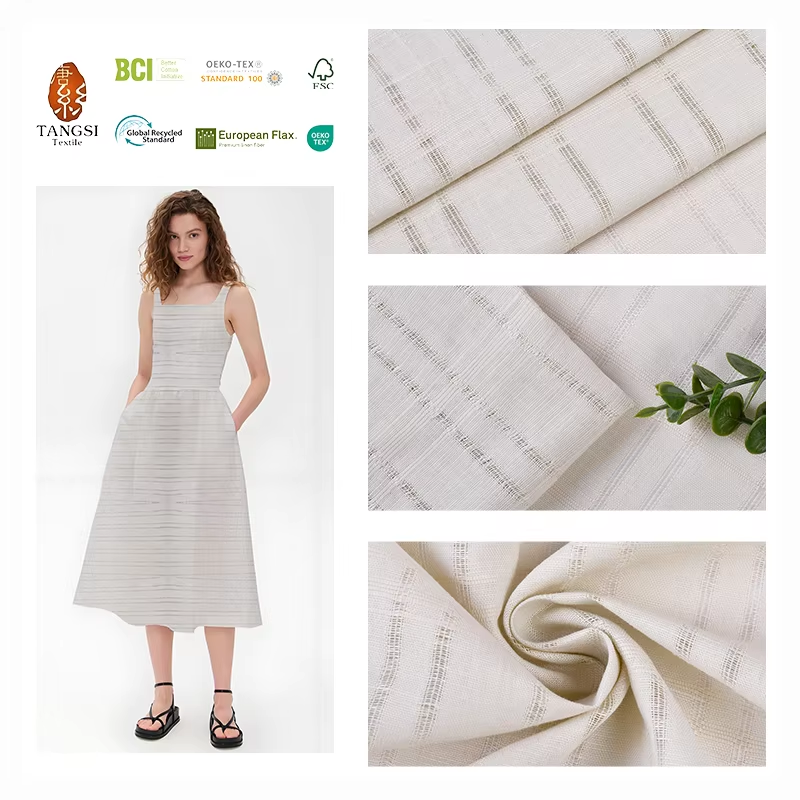
Why White Linen Cotton Fabric Delivers Unmatched Design Versatility
Cross-Category Adaptability: From Minimalist Interiors to Elevated Apparel
White linen cotton fabric works surprisingly well in both living room furniture and high end clothing lines. What makes it so special? Well, it drapes nicely but still holds up under stress, which means it can be used for those boxy sectional sofas as well as flowing summer dresses that need some shape retention. Many designers are now asking for this blend specifically when creating coordinated capsule collections that bridge the gap between home furnishings and fashion items. And there's another practical benefit too: this fabric shrinks about 58% less than regular linen does during washing cycles. That kind of stability is gold when producing thousands of units at once, making it easier for manufacturers working across different industries to maintain quality standards throughout their product ranges.
The Neutral Canvas Advantage: How Whiteness Amplifies Texture, Light, and Space
White linen cotton has this amazing ability to enhance spaces visually. The fabric's natural state reflects about 90 percent of surrounding light which makes rooms feel more open and spacious. Plus, those little irregularities in the weave and texture become more noticeable against the plain background, giving the material a nice tactile quality. When used as a base color in interior design, it actually works really well with vibrant colors or eye-catching designs on hotel bedding or clothing items since there's no clash between elements. Designers love how easy it is to switch up color schemes throughout different seasons without having to hunt for new fabrics every time. According to some interior designers I've spoken to, projects tend to get approved around 30% quicker when they specify white linen cotton instead of going for something with patterns. They mention that clients appreciate the reliability factor plus the fact that it just goes with almost anything style-wise.
Material Science Behind White Linen Cotton Fabric Performance
Linen-Cotton Synergy: Breathability, Strength, and Controlled Wrinkle Character
What makes this fabric so special is how it combines the best parts of linen and cotton. The linen fibers have those little hollow spaces inside them, while cotton adds its smoothness, creating something that regulates temperature really well and holds up against wear and tear. When we look at airflow, this combo actually lets air pass through about 30 percent more than regular cotton fabrics. Plus, it wicks away moisture better too, so people don't end up sticking to their clothes when it gets muggy outside. Linen on its own tends to pill pretty easily after repeated friction, especially in places like hotel furniture where things get used constantly. But mixed with cotton, the resulting fabric has about twice as much strength as plain cotton would offer. Another big plus? This blend doesn't wrinkle as badly as pure linen does. Instead of fighting against those inevitable creases, designers now see them as part of what gives the fabric character. Hotels love this because they spend less time ironing linens, and customers appreciate not having to worry about keeping everything perfectly pressed all the time.
Eco-Profile: Low-Water Processing and Biodegradability in Natural Fiber Blends
Growing flax for linen uses about five times less water compared to regular cotton farming, since it actually grows well with just rainwater and doesn't need extra irrigation most of the time. Mix this with organic cotton, which itself cuts down on blue water usage by roughly 90% compared to standard practices, and suddenly we're talking about fabrics with a much smaller overall water impact. The mechanical side of things also saves resources. Linen goes through something called dew retting that doesn't require any chemicals at all, plus it only takes a little bit of dye to get those nice natural colors ranging from off white to pure white. After these materials reach the end of their life cycle, they break down completely in around six months without leaving behind any microplastics, unlike polyester mixes that hang around for hundreds of years. This kind of complete lifecycle makes sense for circular economies, and there are certifications like GOTS out there that check whether companies are being transparent throughout their supply chains and taking real steps toward environmental responsibility.
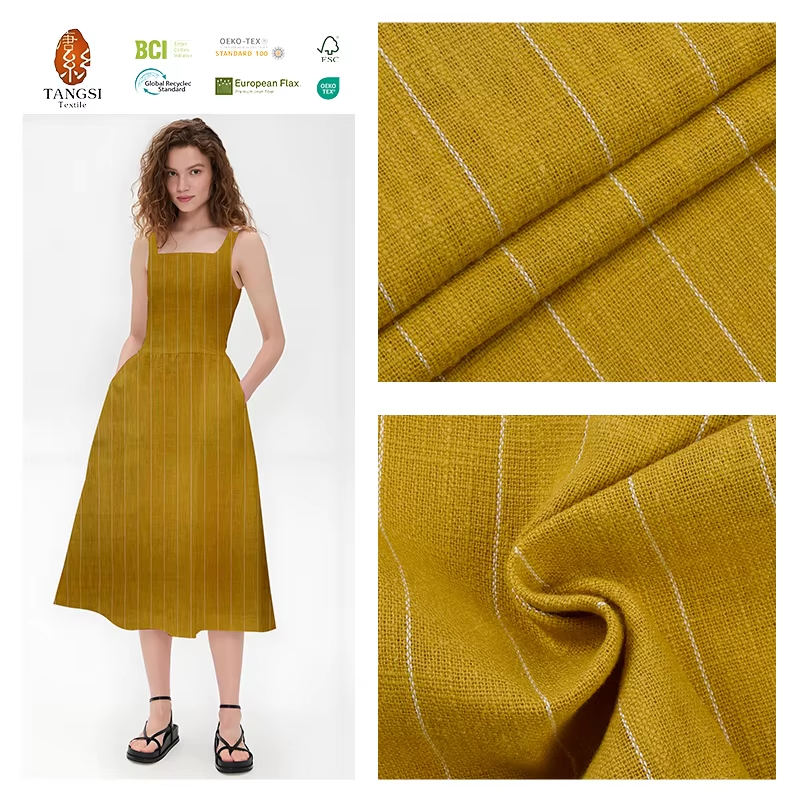
Real-World Applications of White Linen Cotton Fabric Across B2B Sectors
Interior Design: Upholstery, Curtains, and Bed Linens for Premium Hospitality Brands
Premium hospitality brands rely on white linen cotton fabric for its rare fusion of luxury, performance, and sustainability in high-traffic environments. It transforms hotel interiors through:
- Upholstered furniture that withstands frequent use while retaining breathability and shape retention
- Light-filtering curtains that enhance spatial perception and support biophilic design goals
- Premium bed linens engineered for thermal regulation–improving guest comfort across climates
Its natural wrinkle pattern adds organic texture to minimalist aesthetics, while inherent stain resistance reduces replacement costs by 30% compared to synthetic alternatives. Luxury resorts prioritize its biodegradability amid a 45% industry-wide increase in eco-certification demands since 2021.
Apparel Manufacturing: Tailored Shirts, Relaxed Dresses, and Capsule Collection Foundations
Fashion manufacturers deploy white linen cotton fabric as a foundational material for seasonless, functional collections. Its performance advantages include:
- Tailored shirts retaining crisp structure through 50+ washes
- Relaxed dresses offering fluid drape and unrestricted movement
- Capsule wardrobe essentials designed for intuitive mix-and-match versatility
In thermal comfort testing, it outperforms pure cotton by 40%, making it ideal for climate-responsive apparel. Its neutral white base serves as a clean design canvas–reducing dye requirements by 25% while advancing circular fashion goals through full biodegradability.