
 EN
EN
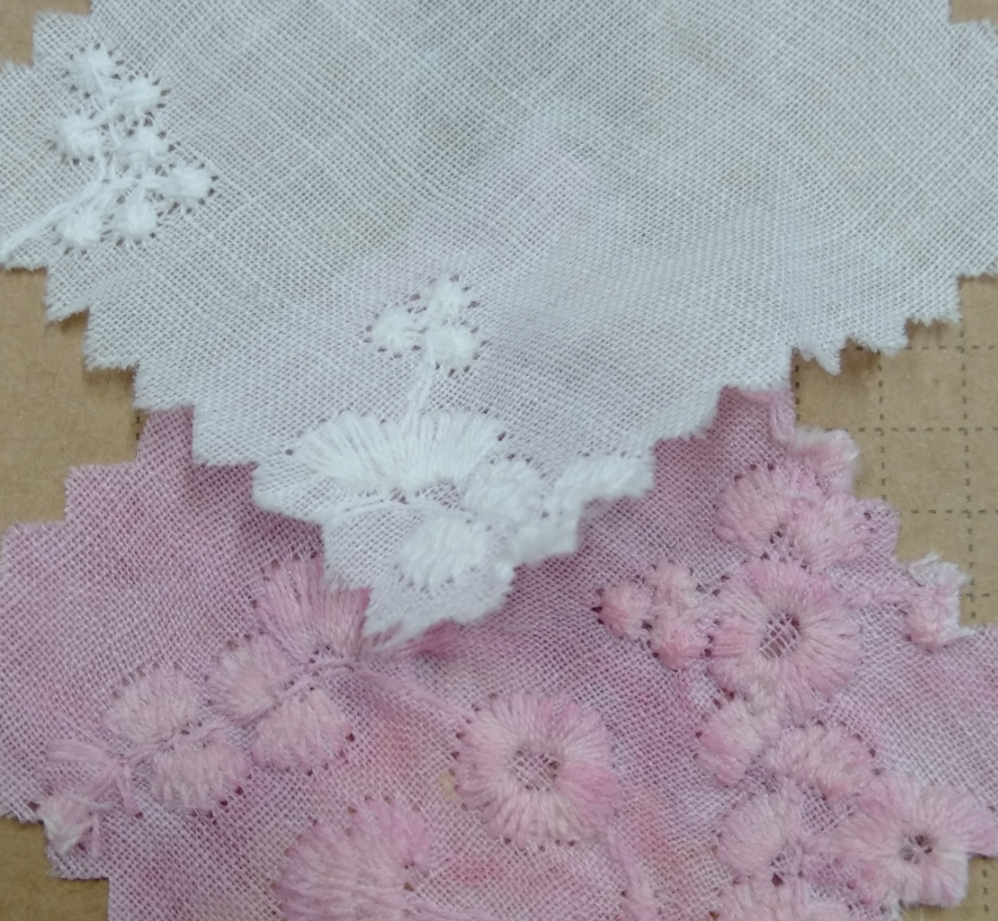
Why Embroidered Dress Fabric Defines Timeless Elegance
Embroidered dress fabric has graced royal courts and modern runways alike, enduring as a hallmark of refined taste. Its appeal lies in the interplay of artistry and material: hand-placed threads, beads, or sequins transform a simple base into a textural masterpiece—adding depth, luster, and tactile richness no flat print can replicate. Unlike fleeting trends, embroidered fabric carries heritage; each motif often reflects cultural tradition or bespoke design intent. Stitches also reinforce the ground cloth, enhancing durability without compromising beauty. Whether in a bridal gown or an evening dress, the result is intentional, elevated, and quietly confident—communicating quality through presence, not proclamation. In an era of fast fashion, embroidered dress fabric stands for thoughtful production and timeless grace—securing its place in luxury and occasion-wear markets.
Key Applications of Embroidered Dress Fabric Across Luxury Fashion
Embroidered dress fabric finds its most prestigious applications in high-end apparel, where meticulous detailing elevates garments from clothing to cultural artifacts. Designers worldwide rely on these textiles to signal luxury, ceremony, and identity—balancing technical mastery with narrative resonance.
Bridal and Evening Wear: Where Embroidered Dress Fabric Signals Ceremony and Sophistication
Bridal gowns and evening dresses depend on embroidered dress fabric to evoke celebration and gravitas. Floral motifs, lace appliqué, and beaded embroidery transform clean silhouettes into memorable statements—ideal for weddings and galas. The fabric’s inherent weight and sheen add dimension, while hand-stitched details ensure exclusivity. Metallic threadwork and sequins introduce controlled glamour: light-catching, but never overwhelming—designed to highlight the wearer, not distract from them.
Ethnic and Heritage Styles: Chikankari, Phulkari, and Zardozi as Cultural Expressions in Modern Silhouettes
Beyond Western formalwear, embroidered dress fabric serves as a living archive of craft traditions—including Chikankari from Lucknow, Phulkari from Punjab, and Zardozi, a metallic embroidery once reserved for Mughal royalty. These techniques anchor contemporary lehengas, kurtas, and sarees in deep cultural lineage, even as designers reinterpret them for global runways. By preserving stitch integrity and regional specificity—such as the shadow-work precision of Chikankari or the raised metal relief of Zardozi—modern adaptations honor authenticity while meeting evolving aesthetic expectations. The result is a versatile, identity-rich textile that bridges generations and geographies.
Fabric Base + Embroidery Technique: The Dual Drivers of Stylistic Impact
The aesthetic and structural integrity of embroidered dress fabric rests on two inseparable variables: the base fabric and the embroidery technique. Their synergy determines drape, luminosity, wearability, and emotional impact. Selecting one without considering the other risks visual imbalance or functional compromise—making informed pairing essential for both design integrity and garment longevity.
Silk, Chiffon, Net, and Cotton — How Base Fabric Influences Drape, Luster, and Embroidery Readiness
The base fabric is not passive—it actively shapes what embroidery can achieve. Silk’s dense, lustrous weave supports high-density, fine-detail work while amplifying the brilliance of metallic threads. Chiffon, by contrast, demands restraint: its lightweight, sheer nature requires low-tension stitching to avoid distortion—favoring delicate, open motifs that float rather than weigh. Net provides architectural support for heavy embellishment; its open mesh allows secure anchoring of beads and sequins without compromising transparency or structure. Cotton offers stability and breathability—ideal for labor-intensive, repetitive handwork like Chikankari, where consistent thread count ensures clean needle passage and minimizes fraying.
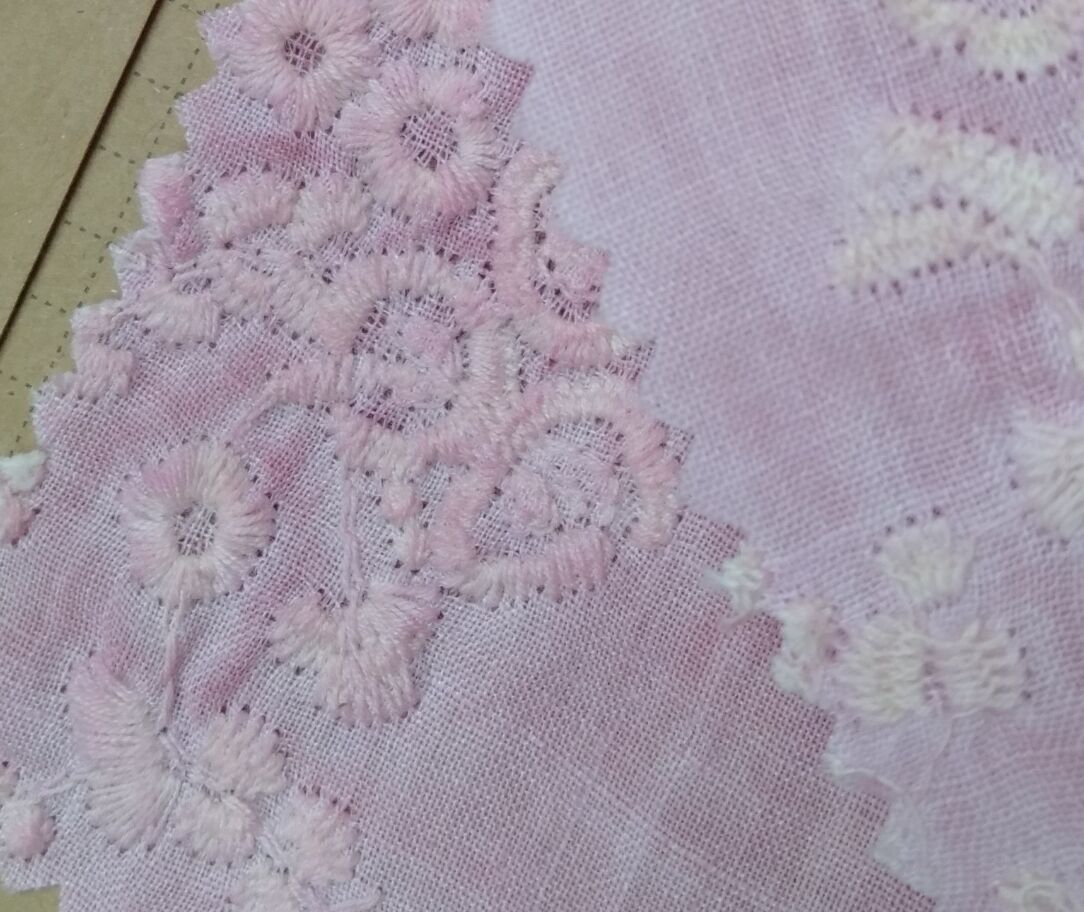
Hand-Embroidery, Beading, Lace Appliqué, and Digital-Assisted Work — Matching Technique to Intended Effect
Once the base is chosen, the embroidery method becomes the decisive expressive tool. Hand-embroidery delivers unmatched three-dimensionality and narrative nuance—each stitch carrying subtle variation that signals human intention and cultural continuity. Beading and sequin work add kinetic light-play and ceremonial weight, best suited to evening and bridal contexts where controlled shimmer enhances presence—but only when balanced against the base fabric’s load-bearing capacity. Lace appliqué introduces layered complexity with reduced structural strain, enabling intricate pre-fabricated motifs to be precisely positioned on net or silk. Digital-assisted embroidery brings repeatable precision and scalability—ideal for complex, symmetrical patterns on high-thread-count fabrics—though it trades organic texture for consistency. The highest-value pieces often combine methods: hand-finished edges on digitally stitched grounds, or hand-appliquéd lace over machine-embroidered underlays.
Navigating Authenticity and Value in Today’s Embroidered Dress Fabric Market
Discerning buyers and designers face a nuanced market—one where craftsmanship, provenance, and material intelligence directly shape value. Authenticity begins with distinguishing hand-embroidery from machine-made work: true handwork involves dozens of hours by skilled artisans, reflected in irregular yet intentional stitch tension, visible knotting on the reverse, and subtle tonal shifts in thread. Digital-assisted embroidery offers reproducibility and affordability but rarely replicates the dimensional depth or narrative warmth of artisanal execution.
Value is equally tied to material integrity. Silk and fine net enable precision and luminosity, while structured cottons better support bold, high-relief techniques like Zardozi. To assess quality efficiently, request close-up images of stitch uniformity, backside finish, and motif registration—especially at seam allowances and curved edges. Traceability matters too: verified origin—such as Chikankari certified by the Geographical Indications Registry or Zardozi sourced from Mumbai’s traditional workshops—adds cultural credibility and long-term desirability. As demand grows for personalized, ethically grounded luxury, evaluating both technique and textile with equal rigor ensures every purchase of embroidered dress fabric delivers on aesthetic promise, ethical alignment, and enduring worth.