 EN
EN
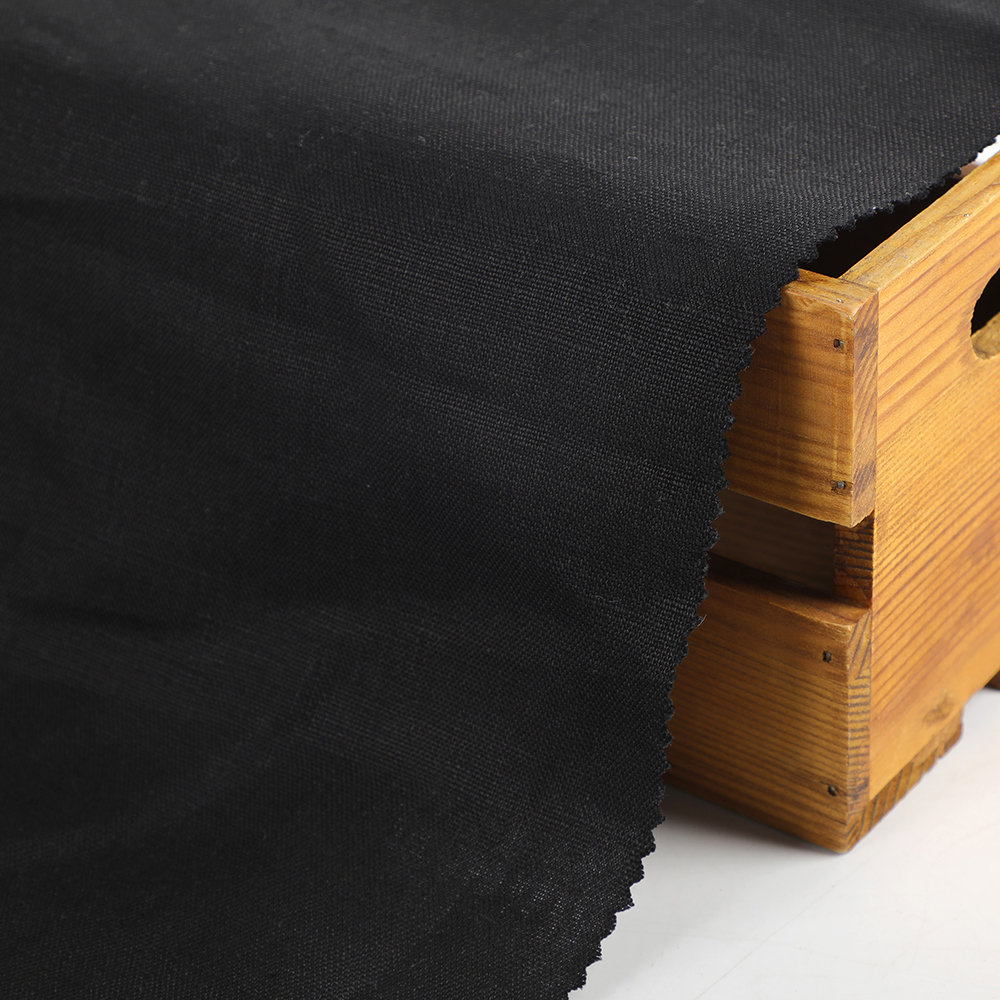
Environmental Advantages of Organic Linen Fabric
Low Water Use and Pesticide-Free Flax Cultivation
Organic linen begins with flax—a resilient, low-input crop ideally suited to temperate climates. Unlike conventional cotton, which consumes vast amounts of irrigation water and synthetic inputs, flax relies primarily on natural rainfall and requires 50–70% less water overall. Organic certification prohibits synthetic pesticides, herbicides, and fertilizers, safeguarding soil microbiology, preventing chemical runoff into waterways, and preserving local biodiversity. This foundational commitment to chemical-free cultivation ensures the environmental benefits of organic linen start at the field level.
Biodegradability, Carbon Neutrality, and Renewable Lifecycle
Pure organic linen is fully biodegradable, breaking down naturally in soil within weeks to months—without releasing microplastics or toxic residues. During growth, flax acts as a carbon sink, absorbing CO₂; when paired with renewable energy in processing, the full lifecycle can achieve carbon neutrality. As an annual crop, flax regenerates each season without depleting soil fertility, supporting a truly renewable and circular material flow. In contrast to petroleum-based synthetics that persist for centuries, organic linen closes the loop by returning safely to the earth—making it a benchmark for circular economy-aligned textiles.
Certified European Flax: Masters of Linen® and EU Organic Standards
Credible certifications verify organic linen’s ecological integrity. The Masters of Linen® label guarantees that flax is grown, harvested, and processed entirely within Europe under stringent environmental and traceability standards. EU Organic certification independently confirms the absence of synthetic pesticides, GMOs, and artificial fertilizers at every stage of cultivation. These third-party validations ensure transparency and accountability—giving brands and consumers confidence that their choice supports verifiable sustainability, not marketing claims.
Health and Comfort Benefits for Wearers
Breathability, Hypoallergenicity, and Natural Moisture-Wicking
Flax fibers have a unique hollow structure that promotes exceptional airflow, making organic linen highly breathable and thermoregulatory—cool in heat, insulating when layered. It wicks moisture efficiently, absorbing up to 20% of its weight in water before feeling damp, and releases it rapidly through evaporation. This minimizes skin irritation and chafing, especially for those with sensitive skin. Because organic linen is grown without synthetic pesticides and finished without chemical additives, it remains naturally hypoallergenic and free from residual irritants—delivering consistent, gentle comfort across daily wear.
Inherent UV Resistance and Chemical-Free Antimicrobial Performance
Flax fibers possess built-in UV resistance, effectively blocking a significant portion of UVA and UVB radiation without relying on synthetic coatings—so protection endures wash after wash. Equally valuable is linen’s natural antimicrobial activity, which inhibits odor-causing bacteria without chemical treatments. Since organic certification excludes synthetic biocides and finishes, these functional benefits remain intact and unadulterated. The result is apparel that stays fresher longer, reduces washing frequency, and supports both personal health and environmental responsibility.
Durability and Long-Term Value of Organic Linen Fabric
Organic linen stands out for its remarkable tensile strength and longevity. Flax fibers are among the strongest natural fibers known—resistant to abrasion, pilling, and degradation over time. With proper care, garments soften beautifully with each wash while retaining structural integrity for years, even decades. This durability directly lowers replacement frequency, curbing textile waste and resource demand. Though initial investment is higher than conventional alternatives, organic linen delivers superior value per wear—and reinforces circular fashion by extending garment life far beyond industry norms.
Organic Linen Fabric vs. Conventional Synthetics: A Sustainability Reality Check
When evaluated across core environmental indicators, organic linen diverges sharply from conventional synthetics like polyester and nylon.
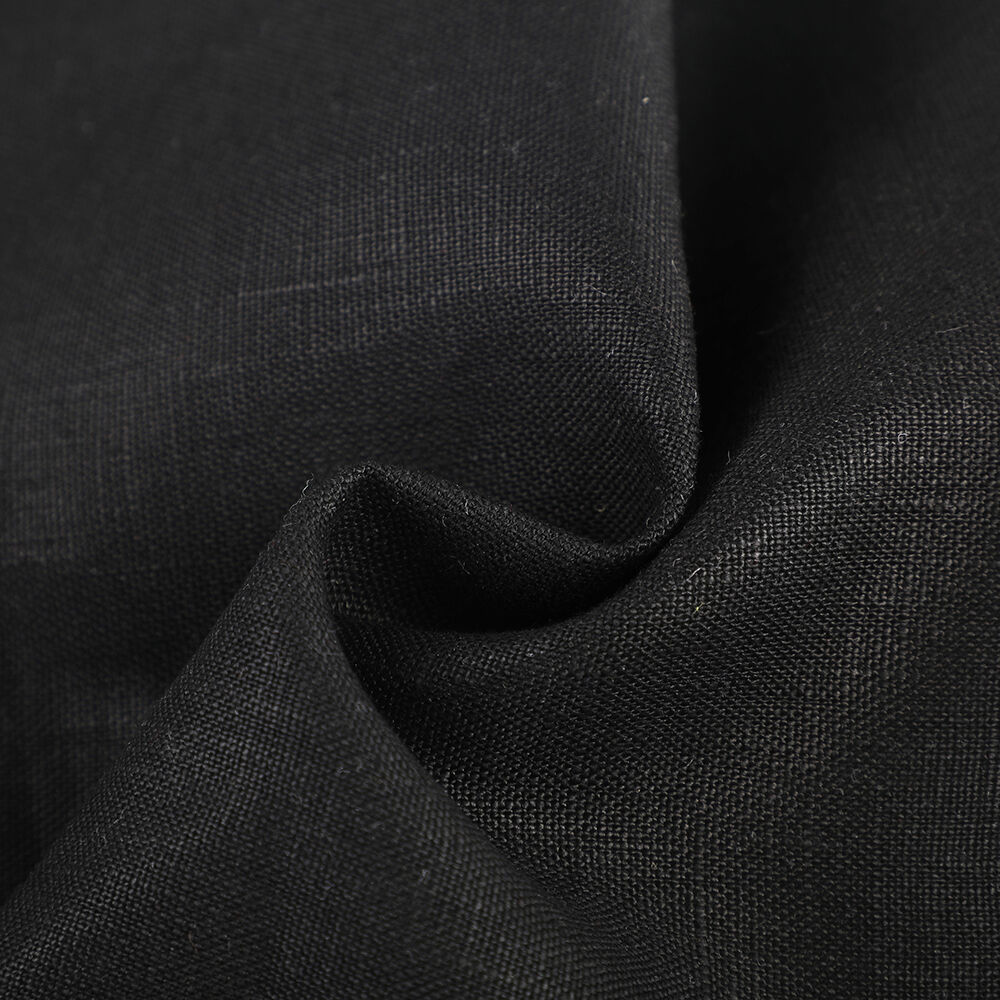
Microplastic Pollution, Energy Intensity, and End-of-Life Outcomes
Synthetic textiles shed an estimated 1.7 million tonnes of microplastics annually—entering oceans, soil, and food chains. Organic linen releases zero microplastics: its plant-based fibers decompose harmlessly. Energy use also differs fundamentally—synthetic production depends on fossil fuels and high-heat polymerization, generating substantial CO₂ emissions. Flax cultivation and mechanical linen processing require significantly less energy and emit far less greenhouse gas. Most critically, end-of-life outcomes are polar opposites: synthetics persist for centuries, leaching toxins as they fragment; organic linen is fully compostable within months and can be repurposed into insulation, paper, or new fiber blends. Certifications like GOTS further guarantee that hazardous chemicals are excluded throughout the supply chain—affirming organic linen’s role as a genuinely regenerative, circular textile choice.